
Brown vs. Brunette Hair: Color, Depth, and Tone
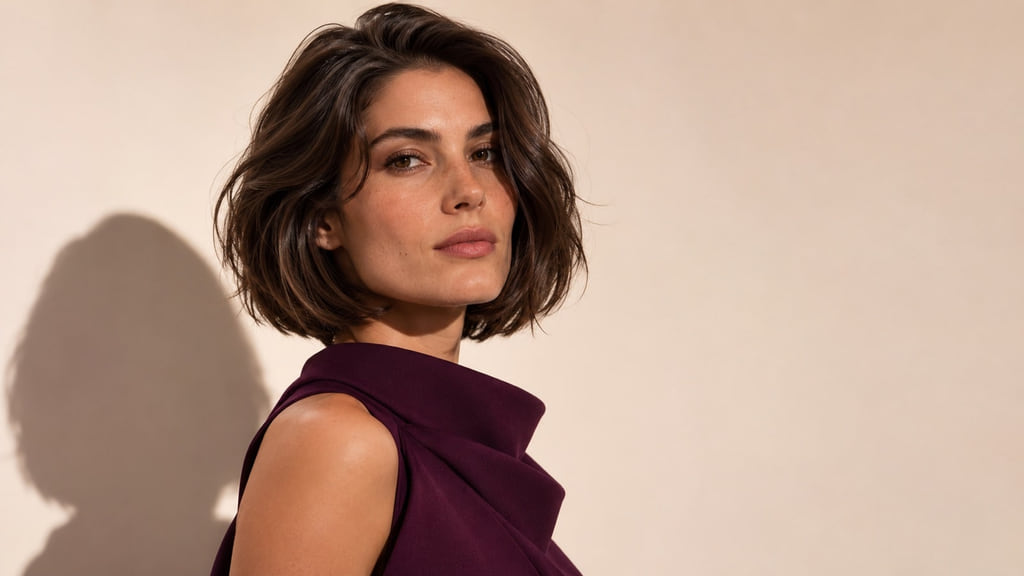
Brown describes a hair color; brunette can describe a brown-haired person or a dark brown shade. Neither word identifies one exact salon result. To make a reference useful, separate depth from tone, describe where you want dimension, and bring your starting color and color history to the consultation.

| Word | What it describes | What to add at a consultation |
|---|---|---|
| Brown | The visible color of the hair | How light or dark you want it, and which reflection you prefer |
| Brunette | A brown-haired person or a dark brown color | Your target depth, reflection, and placement |
Brown vs. brunette: the useful distinction
You can say “brown hair” to describe the color and “a brunette person” to describe someone with brown hair. Merriam-Webster defines brunette as both a noun for a brown-haired person and an adjective for a dark brown color. The words overlap in everyday use; they do not name separate dyes or limit who can use them.
“Light brown,” “deep brunette,” and “neutral brunette” give a colorist different clues, but none fixes a complete result. The first suggests depth, the second suggests a darker impression, and the third suggests a restrained reflection. Describe those qualities separately before deciding whether a shade name matches your reference.
Describe depth before choosing a shade name
Depth is how light or dark the hair appears. Tone is the color direction you see within that depth. For example, Wella’s numbering guide places depth before the stroke and tone after it. That is a useful example of one manufacturer’s system, not a universal brunette level range or a code to prescribe for every brand.
| Depth | Tone | Placement | What to bring |
|---|---|---|---|
| A little lighter, close to your current color, or deeper | Warm, cool, or neutral reflection | All-over color, subtle dimension, or a face frame | A reference photographed in ordinary light and a photo of your current hair |
Use the table as a conversation aid. Your colorist can compare the target with your natural roots, colored lengths, and previous services before suggesting a number or product. If you are comparing brown with a much darker family, examine physical swatches in the same light instead of relying on a label.
Separate warm, cool, and neutral reflections
At a similar depth, a warm brunette may show golden or honey notes; a cool brunette may show smoky or gray notes. eSalon’s brunette color guide describes those directions. Compare references with similar lighting and depth so that brightness or camera color does not become the deciding difference.
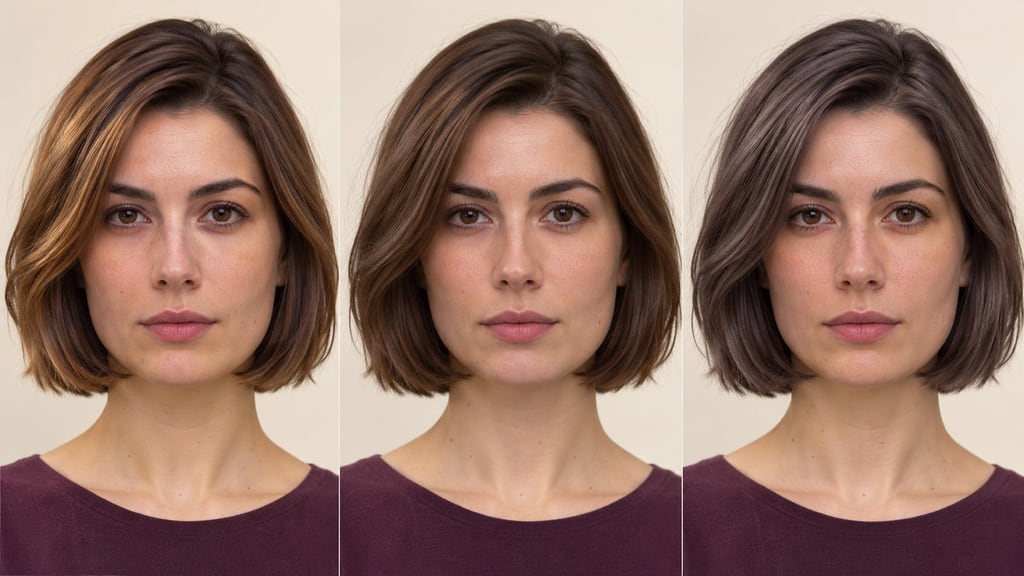
Neutral brunette can balance warm and cool notes, as the same eSalon guide explains. Hold swatches near your face in consistent light and notice which reflection you prefer. A screen comparison cannot diagnose a skin undertone or predict the finished color on your hair.
Turn a reference into a realistic salon brief
Try this: “I want to keep my overall brunette depth. Could we compare a neutral reflection with a softer warm option and discuss subtle face-framing dimension?” This separates three choices—depth, tone, and placement—without prescribing a dye formula. A reference communicates the direction; your starting color and color history determine what a colorist can reasonably plan.
Bring a photo of your current hair, a reference in ordinary light, and a record of previous coloring. Explain how much change you want and how much upkeep you can manage. If you use hair dye yourself, follow the directions on that product’s label, as the FDA advises. A salon consultation can then address the actual service rather than assuming that one photo guarantees a result.
Frequently asked questions
Is brunette the same as brown hair?
The meanings overlap. Brown describes the color; brunette can describe a brown-haired person or a dark brown color. Add depth and tone when you need a more precise salon request.
Is brunette always a specific hair level?
No single level identifies every brunette shade. Numbering and shade names depend on the manufacturer’s system. Ask a colorist to compare the depth you want with your starting color.
Can brunette hair be warm or cool?
Yes. Compare golden or honey reflection with smoky or gray reflection at a similar depth. Save the closest reference and use the salon brief above to explain what you want to keep or change. You can also preview a color direction before the consultation; the preview cannot predict a chemical result.