
Hair Color Trends 2027: An Early Editorial Forecast

Choose an achievable direction from this early editorial forecast, updated November 11, 2026, rather than treating a prediction as measured 2027 popularity. Compare lived-in blonde, dimensional brunette, muted copper, and intentional gray by depth, reflection, placement, and upkeep. Your starting base and color history affect what a colorist can achieve.

Read the Color Direction Before Choosing a Look
Start with the visible change you want. A dimensional neutral brunette with fine brightness around the face, for example, keeps a brown base while placing lighter sections where they can be seen. A lived-in blonde makes a different decision: more overall lightness with a deeper, natural-looking root. Neither is a ranking of what will be popular or a promise that the same result is achievable on every starting color.
This is an early editorial forecast as of November 11, 2026. The four looks below are proposed directions for a color conversation, not measured 2027 salon trends. The dated source used here explains color vocabulary rather than predicting demand: in Wella’s hair-color chart, the number before the stroke indicates depth, or how light or dark the hair is, while the number after it indicates tone in that manufacturer’s system. Other brands can label shades differently. Use visible depth and reflection to compare photographs before discussing a formula.
Compare Lived-In Blonde, Dimensional Brunette, and Muted Copper
Use this table as a choice between visible effects. The gray option is a distinct decision about keeping visible gray rather than covering it. The labels describe editorial examples, not verified forecasts of individual results.
| Direction | Depth and reflection | Placement to compare | Question for your colorist |
|---|---|---|---|
| Lived-in blonde | Lighter blonde lengths; deeper natural-looking root | A readable transition from root to brighter sections | How much of my current base can stay visible? |
| Dimensional brunette | Brown base with selected lighter or deeper reflection | Small sections that create separation without replacing the base | Which sections should change, and which should remain brown? |
| Muted copper | Visible orange-red reflection with restrained saturation | Compare an even copper field with selected reflective pieces | How would this reflection look on my current color? |
| Intentional gray | Visible gray and honest variation at the root | Compare existing gray with any colored lengths | What could I leave as it is? |
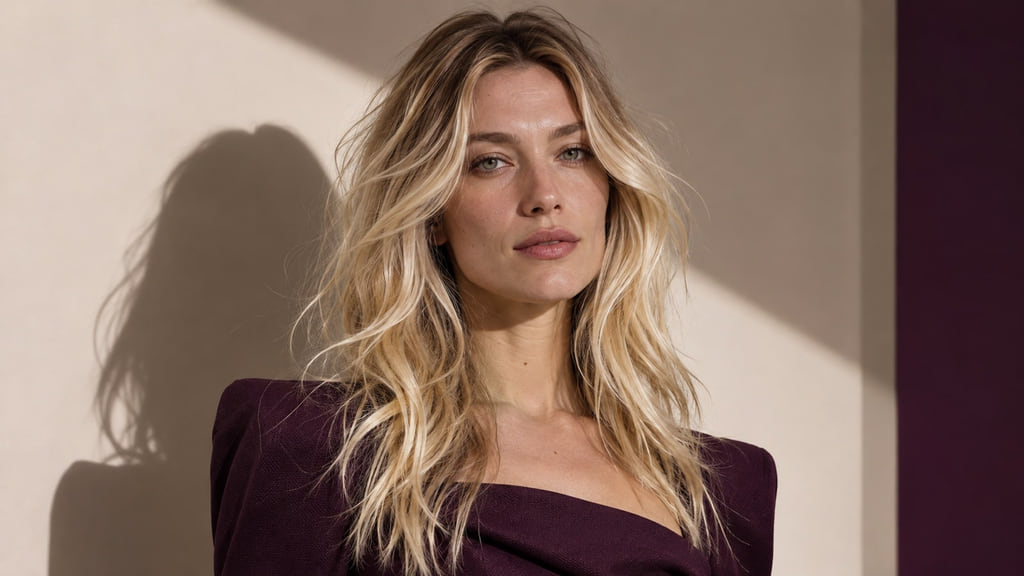
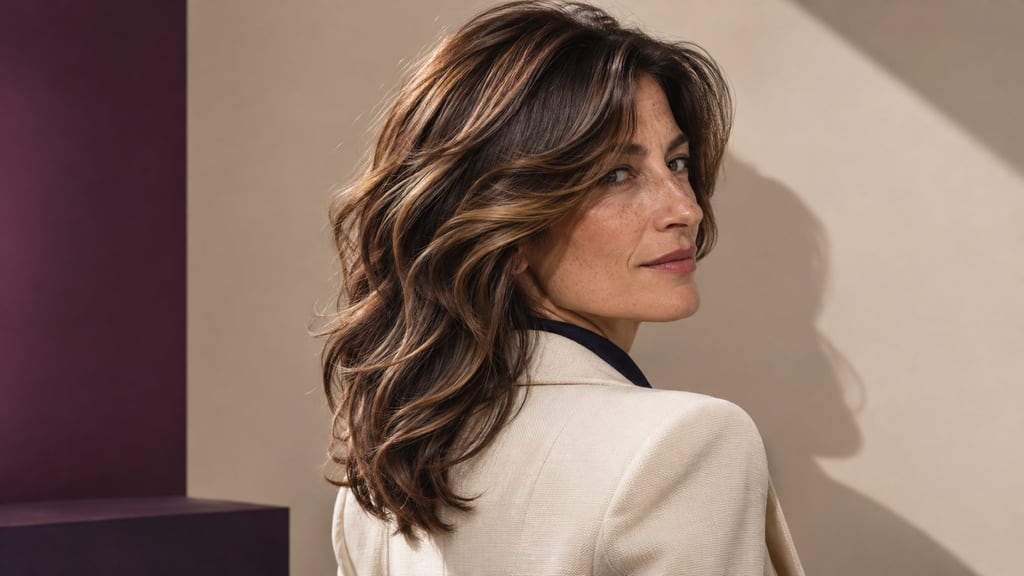
For a first comparison, put A, lived-in blonde, beside B, dimensional brunette. A keeps a darker root while the lengths read lighter. B keeps a brown field and places brightness in selected sections. Match exposure and lighting before deciding which difference you prefer; a brighter photograph alone can make A appear more dramatic. Bring both references to a consultation and mark the part of each that matters to you.
Lived-In Blonde
For this editorial example, the blonde lengths are visibly lighter than the natural-looking root, and the transition stays readable. Compare a root-connected reference with one that starts bright near the scalp. Keep the camera angle and exposure similar so you can judge placement. Ask which part of your current color can remain and which section would need to become lighter.
Dimensional Brunette
Here the brown base remains visible while fine, lighter sections add separation around the face and through the lengths. Compare it with a more even brunette at similar depth and lighting. If the selected pieces are the feature you want, point them out; “brunette” alone does not specify their placement. Ask what can stay brown in your current hair.
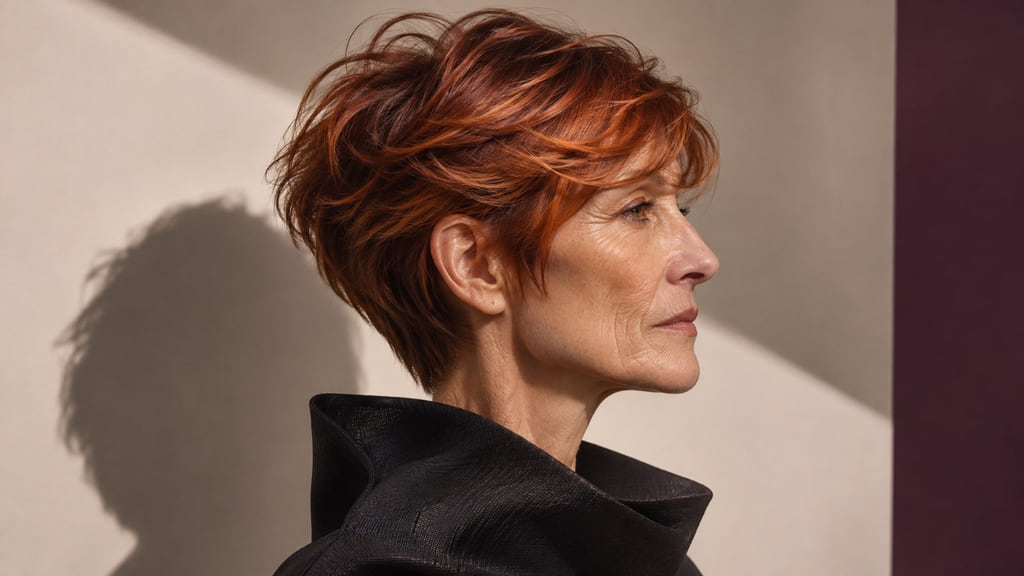
Muted Copper
In this example, copper is a visible orange-red reflection with restrained saturation. Compare it with a brighter copper at the same approximate depth: the difference you are judging is reflection, not simply how light the hair appears. Ask your colorist how your current base and colored lengths might affect that reflection.
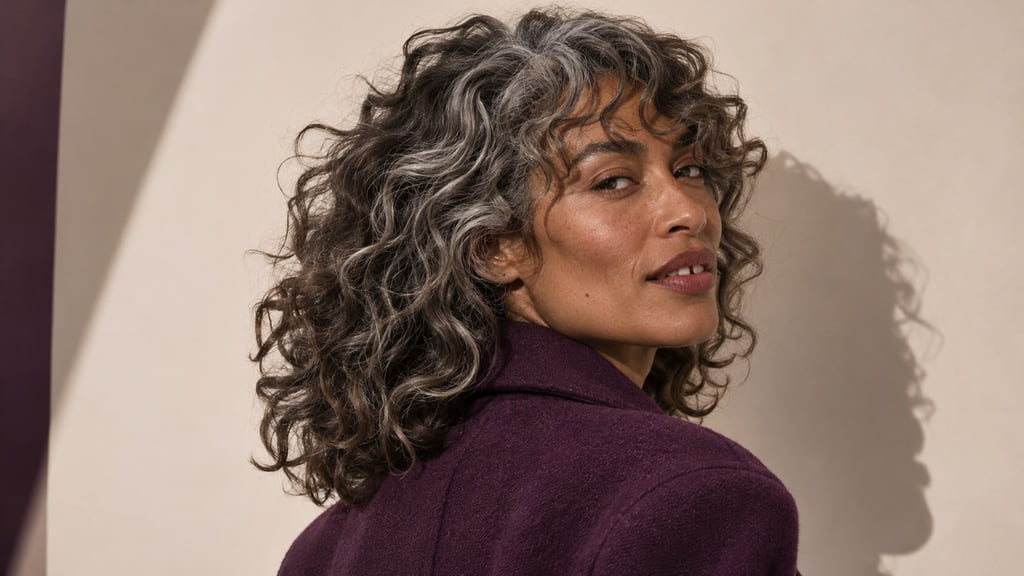
Intentional Gray
Intentional gray means making visible gray part of the desired appearance. It can include uneven root variation; it does not require opaque coverage. Compare a photograph that shows the roots with one that shows the full length, especially if older color remains on the ends. Ask which existing gray you want to keep visible before discussing any blending.
Account for Your Starting Base
Look separately at your natural roots, previously colored lengths, and ends. A lived-in blonde photograph can show where you want lightness, but it cannot tell you how much change your hair can take or whether that exact reflection is possible. Keep a photo of your own hair in ordinary light beside the reference. A colorist can then discuss the starting depth, color history, and the amount of length you want to retain.
If a blonde reference would require more change than you want, dimensional brunette may preserve more of a brown starting base while still changing the visible placement. If your hair is already light, a brunette reference raises a different question: how much depth do you want to add and where? These are consultation choices, not rules based on skin undertone or an online shade number.
Plan Regrowth and Color Upkeep
Decide which changes you are willing to see between appointments. With lived-in blonde, watch the transition between the darker root and lighter lengths, and whether the reflection still looks like the reference you chose. With dimensional brunette, watch whether the selected sections remain visible against the brown base. A muted copper may change in reflection as color wears; intentional gray asks whether you still want existing gray to remain visible beside any colored lengths.
| Direction | At home, notice | Regrowth or fading to discuss | Salon support question |
|---|---|---|---|
| Lived-in blonde | Does the lighter length still have the reflection you wanted? | Root-to-length contrast and a changed blonde reflection | Where should the brightness begin next time? |
| Dimensional brunette | Can you still see separation in selected sections? | Changes in those sections against the brown base | Refresh reflection, placement, or neither? |
| Muted copper | Does the orange-red reflection still look restrained? | Reflection changing while the depth remains similar | Which part of the copper do you want to keep? |
| Intentional gray | Which gray strands do you want visible? | Contrast between natural roots and colored lengths | Would you rather retain or change that contrast? |
There is no single appointment schedule for these four directions. Save a photograph when the color looks right to you and another when you feel ready for a change. Those two views make the upkeep conversation more specific.
Build Your Color Reference
Save a current photograph in neutral light, a front or three-quarter view of the color you prefer, and a view that shows its roots and ends. Mark the visible feature you want to keep. Avoid comparing references with different filters or strong colored light. Then take an A and B pair to your colorist instead of asking for a trend name alone.
You can say: “I want to compare lived-in blonde with dimensional brunette. My reference is dimensional neutral brunette with fine face-framing brightness. Keep my natural density and show me the difference in depth, reflection, and placement before we choose a service.” That is a decision brief, not a dye formula. Choose the closer direction and discuss it with your reference images. You may also preview a color direction on screen; a virtual preview cannot predict how dye will behave on your hair.
Frequently Asked Questions
How do I compare these shades at a similar depth?
Use photographs with similar light, exposure, and camera angle. First compare how light or dark the hair looks, then compare its visible reflection and placement. Wella’s linked chart separates depth and tone within its own numbering system; it does not assign one universal shade number to every brand or person.
Does my starting color change the achievable result?
Yes. Natural roots, previously colored lengths, and ends can begin at different depths and reflections. Show all three to a colorist when comparing lived-in blonde with dimensional brunette. A photograph describes the direction you like; it cannot establish the process or the exact result for your hair.
Can a virtual preview predict the dye result?
No. A preview can help you compare visible directions in an image, but it cannot assess your color history or determine an achievable dye result. This forecast is dated November 11, 2026, and its four directions are editorial examples. It does not report measured 2027 trend statistics.