
Light Spring Hair Colors: A Practical Comparison
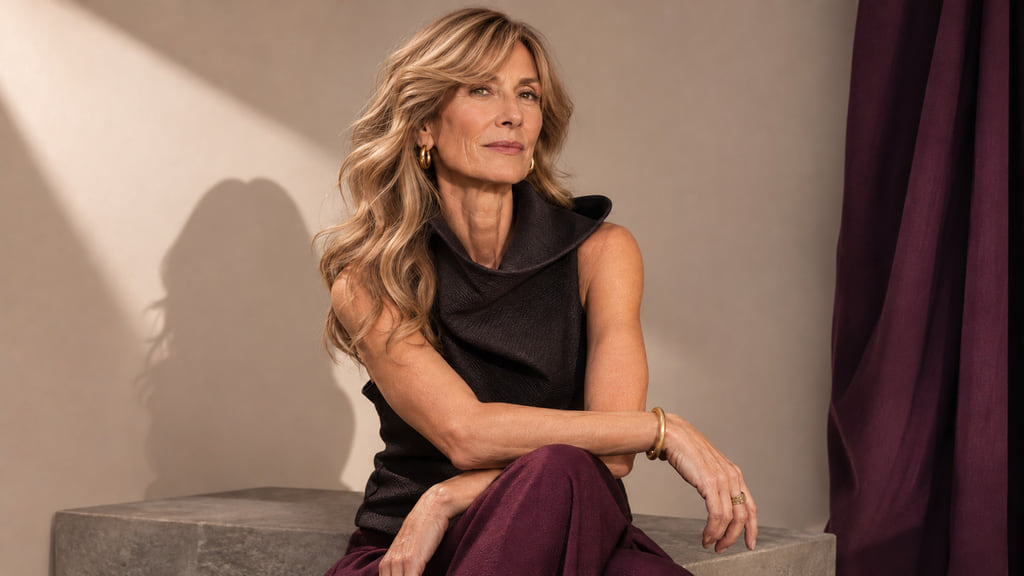
Compare soft golden blonde, a strawberry direction, and light warm brown by depth and reflection. Your starting base and color history determine which changes are realistic.

Compare soft golden blonde, a strawberry direction, and light warm brown before deciding how much to lighten your hair. These are visual directions, not instructions to bleach to one level. Your natural base and color history affect what a colorist can achieve, so take a reference for the reflection you want as well as the overall depth.
Read the Color Direction Before Choosing a Look
Imagine light golden-brown waves with a restrained strawberry reflection. The useful question is whether you want the hair to look lighter overall or to show more warm color at its current depth. In The Concept Wardrobe’s twelve-season framework, Light Spring is described as light and warm. That is a styling framework for comparing color, not a diagnosis or a requirement to dye your hair.
Depth means how light or dark the hair appears; tone describes its color direction. Wella’s hair color chart guide uses the number before the stroke for depth and the number after it for tone. Those numbers belong to Wella’s system, so bring a photograph as well as any shade code. For this guide, soft golden blonde changes the apparent lightness; a strawberry direction changes the red-gold reflection. Neither is a universal better choice.
Light Spring leads with lightness in the cited framework. Warm Spring gives warmth a stronger role, while Light Summer shares the light emphasis but moves cooler. If those neighboring directions are close for you, compare images at similar exposure and depth instead of relying on their names alone. Your starting hair still sets the practical limit on any lift.
Compare Soft Golden Blonde, Strawberry Direction, and Light Warm Brown
These examples isolate the color decision. First compare reflection at similar apparent depth; then compare a lighter blonde with a brown base. Keep the face, camera exposure, and white balance as steady as possible when using photographs.
| Direction | Depth and reflection | Placement to compare | Question for your colorist |
|---|---|---|---|
| Soft golden blonde | Lighter blonde depth with restrained golden reflection | Overall lightness or selected brighter sections around the shape | Which areas can stay close to my current base? |
| Strawberry direction | Soft red-gold reflection on a light base; compare at similar depth to the blonde | Reflection throughout or in selected sections | Can we change the reflection without changing every strand's depth? |
| Light warm brown | Brown base with gentle warm reflection | Brown through most lengths, with any lighter movement placed intentionally | Where should the brown remain visible? |
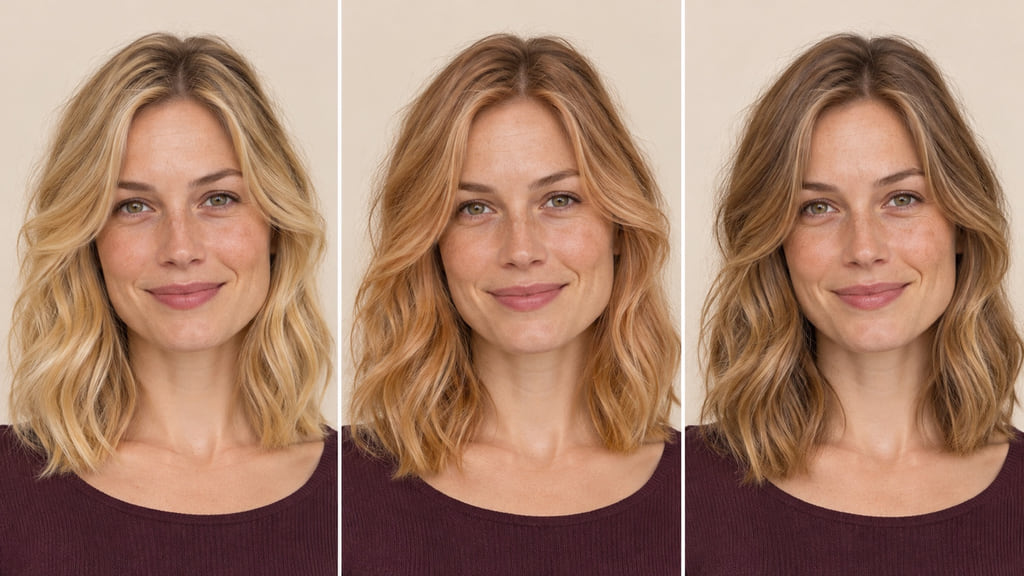
Start with the first two panels: the blonde reads more golden, while the strawberry example carries a softer red-gold reflection at a comparable apparent depth. Then compare the brown panel to decide whether you want a deeper base rather than an all-over blonde result. Use the panels as color references; your own base and color history affect the result.
Soft Golden Blonde
Here the hair reads lighter, with a gentle gold reflection rather than a more saturated yellow-gold effect. If you save a reference, show both the roots and ends: a bright surface alone can make a deeper base appear blonde. Ask your colorist which part of your current color and placement could remain while you pursue the lighter effect.
Strawberry Direction
This example keeps a light base but shifts the reflection toward soft red-gold. Compare it with the blonde at similar apparent depth and fixed white balance so warmth does not get mistaken for extra lightness. Ask whether you want that reflection throughout or only where the waves catch the light.
Light Warm Brown
The brown base stays visible while gentle warmth gives the waves definition. Compare it with the other options in the same light; a shadowed blonde photo can appear just as deep. Ask which areas should stay brown and whether you want any lighter sections near the face or through the ends.
Account for Your Starting Base
Photograph your natural roots, previously colored lengths, and ends in neutral light. Tell your colorist about earlier color and the length you want to keep. A soft golden blonde reference may require a different plan from a naturally light base than from darker or previously colored hair. Ask what depth and placement are realistic before choosing a service; a manufacturer’s shade number cannot settle that question by itself.
If you prefer the strawberry reflection but your base is deeper than the reference, compare a red-gold direction on your existing depth as well as on a lighter sample. If your routine does not allow frequent color support, ask how each option might look as roots grow and reflection changes. The goal is a light warm-leaning direction you actually want to wear, not lightness at any cost.
If the clearer, more saturated warm direction is what you want to compare next, use Best Bright Spring Hair Colors for that separate decision.
Plan Regrowth and Color Upkeep
For soft golden blonde, watch where your natural root begins to stand apart from the lighter lengths and whether the gold reflection still looks restrained in your usual light. For strawberry, notice whether the red-gold reflection changes while the apparent depth stays similar. Bring a current photo to a follow-up conversation so your colorist can distinguish a tone change from a placement change.
| Direction | Daily routine question | Change to watch | Salon support to discuss |
|---|---|---|---|
| Soft golden blonde | Do I like the lighter effect in the light I see most often? | Root contrast or a stronger yellow-gold reflection | Adjust brighter placement or refresh reflection |
| Strawberry direction | Is the soft red-gold still visible where I want it? | Reflection becomes less distinct from the base | Refresh the reflection or reconsider its placement |
| Light warm brown | Does the brown still show movement through the lengths? | Lighter sections or roots stand out more than intended | Keep the brown base or change where brightness sits |
Choose the version whose visible changes and salon support fit your routine. There is no one appointment interval that follows from a seasonal label.
Build Your Color Reference
Save one full-outline photograph and a closer view of the roots, middle lengths, and ends. Add a neutral-light photo of your own hair. Mark whether you are drawn to the lighter depth, the red-gold reflection, or the position of brighter sections; a mixed set of shadowed and brightly lit references can obscure that choice.
You could say: “I want to compare soft golden blonde with a strawberry direction. My reference is light golden-brown waves with restrained strawberry reflection. Keep the natural density and show me the difference in depth, reflection, and placement before we choose a service.” That is a visual brief for a consultation, not a formula or a promise of the same result.
Pick the direction you want to discuss first and bring both references to a colorist. You can also preview a color direction on screen, but a virtual image cannot diagnose a season or predict what color is achievable on your hair.
Frequently Asked Questions
Is this a diagnosis or a styling framework?
It is a styling framework. The cited twelve-season model calls Light Spring light and warm; Wella’s depth and tone terms describe a manufacturer’s color chart. Neither determines your individual result. Use the labels to describe the visible difference you want to compare.
Do I need to dye my hair to fit a palette?
No. You can keep your natural color and use the comparison to notice what you already like about it. If you do want a change, compare the lighter gold of soft golden blonde with strawberry’s red-gold reflection before deciding whether either change suits your routine.
How can I compare depth and reflection?
Use photographs with similar light, exposure, and white balance. Hold apparent depth close when comparing golden and strawberry reflections, then compare either with the light warm brown base to judge depth separately. Light Spring, Warm Spring, and Light Summer are neighboring framework labels; the amount of lift your hair can reach depends on its starting base and history.