
Short Haircuts: Shape, Texture, and Upkeep
Compare short-cut families by dry outline, nape, and fringe rather than length alone. A classic pixie, long pixie, textured crop, short bob, short shag, and curly crop place weight and edges differently. Choose the shape you can describe and maintain with your natural texture, density, and routine.

Start with two shapes you can tell apart at the nape and front. A classic pixie exposes the ear and keeps the outline compact; a long pixie retains more crown and front length. A textured crop shows separated ends, while a short bob holds a stronger continuous edge. The examples below help you compare those visible choices before discussing your own hair with a stylist.
Read the Cut Outline Before Choosing a Look
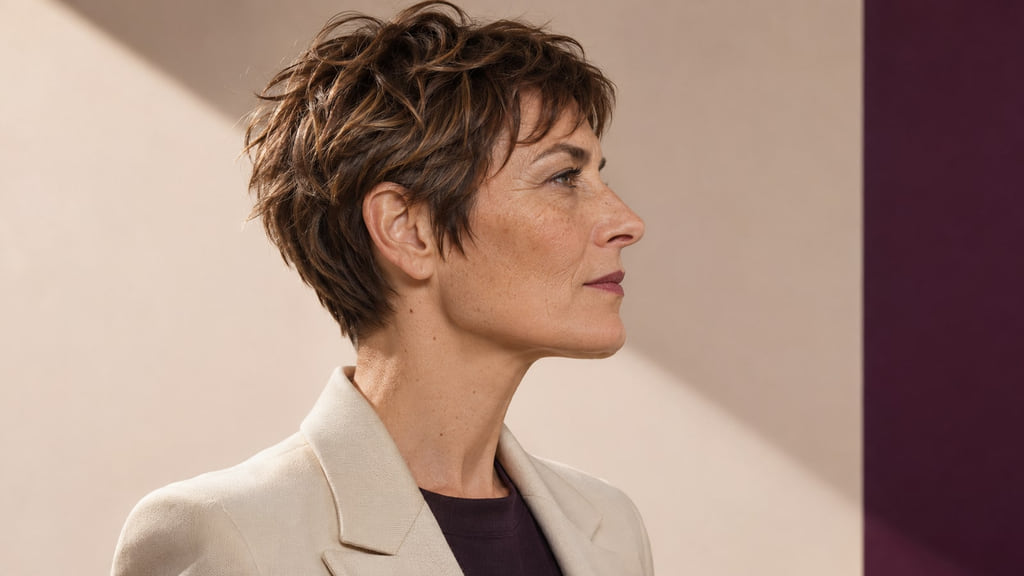
Look at the finished dry perimeter, or outer edge, before trusting a haircut name. In the hero photograph, the crop’s nape and side are short while separate strands remain visible at the crown. Layers change where a shape carries visual weight. Sam Villa’s explanation of horizontal and vertical layering describes how section direction affects weight distribution and the visibility of a cutting line. That is useful vocabulary for describing a photograph, not a cutting instruction for every head of hair.
The front section matters as much as overall length. A classic pixie can have a short, open front, while a long pixie can keep a sweep that reaches farther toward the cheek. Both may have close napes, so the name alone will not tell you how much hair you retain around the face. This overview helps you choose a family; a named-cut guide can take you into its styling details.
Compare Classic Pixie, Long Pixie, and Textured Crop
Compare photographs at a similar angle and in a similar dry finish. These are editorial examples of six outlines, not promises that a particular face or hair type will reproduce the image.
| Cut family | Dry outline and nape | Front and crown | Decision to discuss |
|---|---|---|---|
| Classic pixie | Ear exposed; sides and nape close. | Compact crown with a clearly visible short front section. | How much ear and nape exposure do you want? |
| Long pixie | Close or softly tapered nape; longer side ends remain. | More crown length and a longer front sweep. | Which front pieces must stay long enough to move? |
| Textured crop | Short nape and broken, piecey outer edge. | Separated strand groups through the crown and fringe. | Will the separation show in your normal dry finish? |
| Short bob | A continuous edge near the jaw in this example; nape covered. | Compact crown with relatively little visible layering. | Where should the strongest edge end? |
| Short shag | Broken edge around the jaw or upper neck. | Separated crown layers connect to a fringe or face frame. | How much lower weight should remain? |
| Curly crop | Compact complete dry curl outline with a visible nape. | Natural curl groups build a rounded crown and front. | Where will the dry curls actually end? |
For a first shortlist, compare a classic pixie with a long pixie. Both can keep the nape short, but the long pixie retains more visible side and front length. If that difference is still hard to see, save a side view of each with the whole crown and neckline in frame.
Classic Pixie
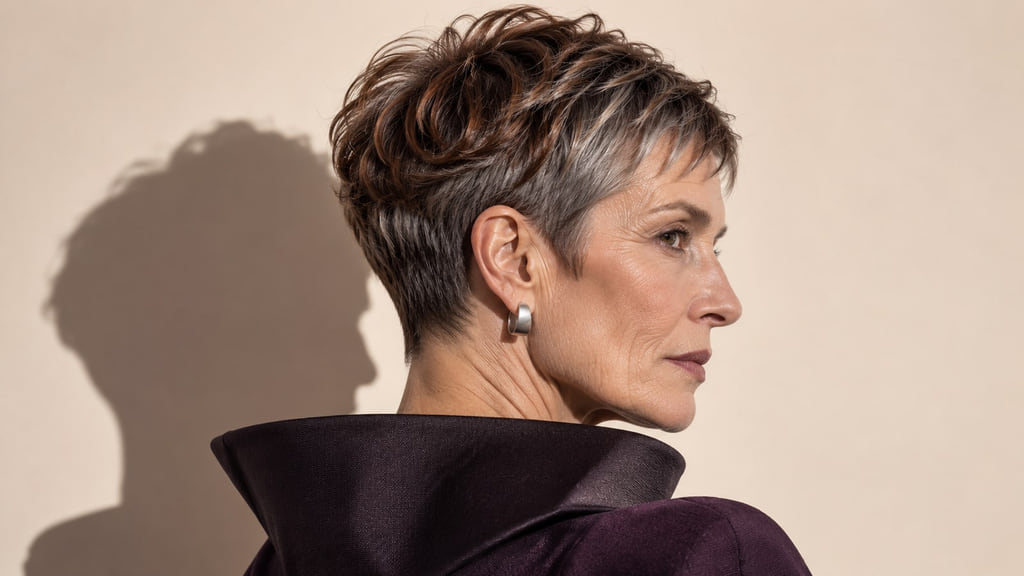
Notice the uninterrupted path from the shorter side to the neckline. The front section remains visible without covering the whole side of the face. Ask how close that edge can sit on your own growth pattern and which part of the crown should retain weight.
Long Pixie
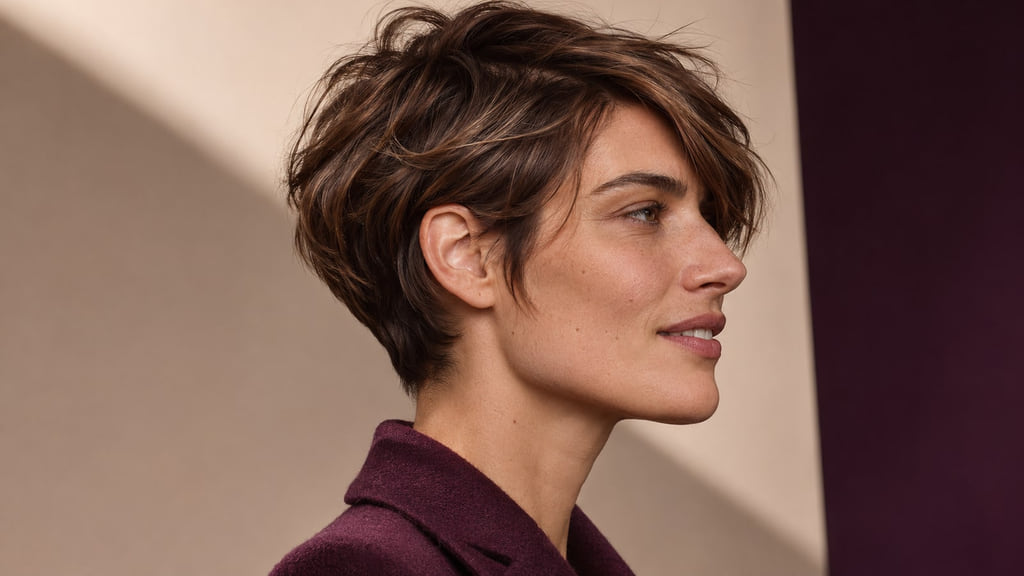
Here the nape still reads short, but the front and side ends are retained. Those longer pieces can change where the apparent weight sits and how much of the ear is covered. Show your stylist the exact piece you want to keep rather than requesting only a “long pixie.”
Textured Crop
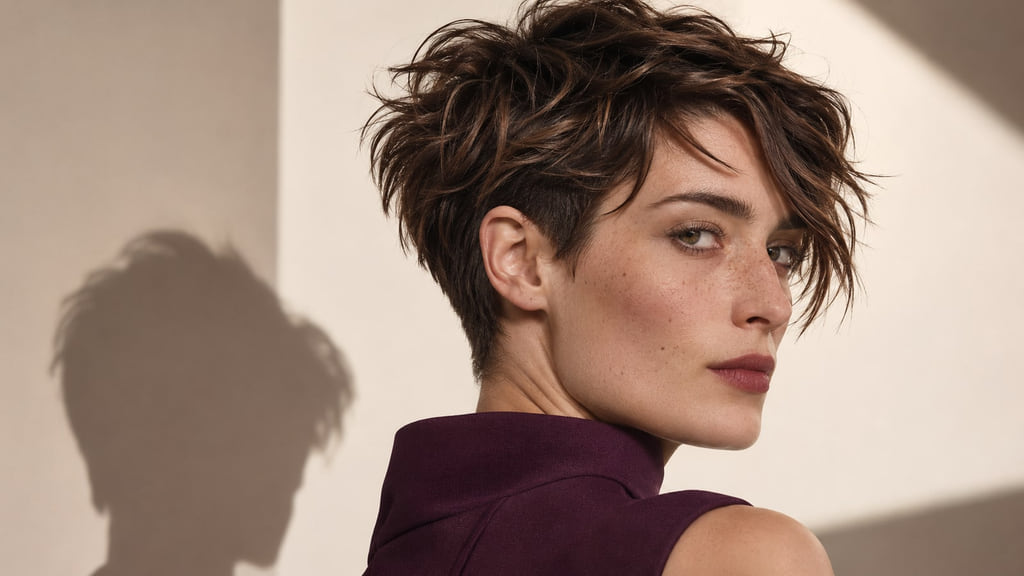
The visible strand groups break up the front and crown surface. Compare that separation with your hair on an ordinary day, without assuming a styled photograph reflects your routine. Ask which part of the shape should stay piecey when the nape grows.
Short Bob
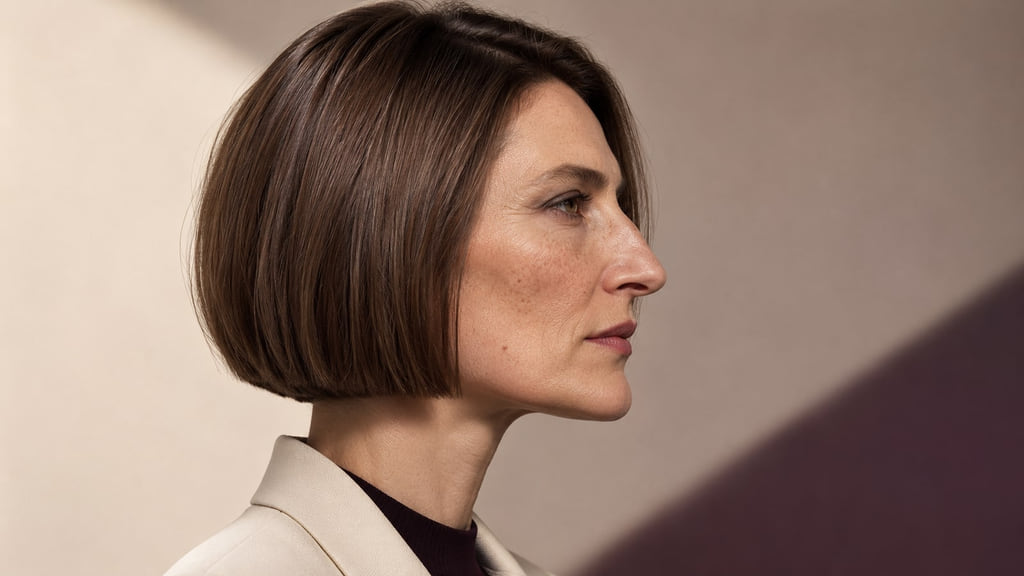
This bob carries its strongest line at the jaw rather than around an exposed ear. Its smoother edge makes the endpoint easy to locate, even though individual hairs may bend differently in daily wear. Ask whether you want that line to stay crisp or soften as it grows.
Short Shag
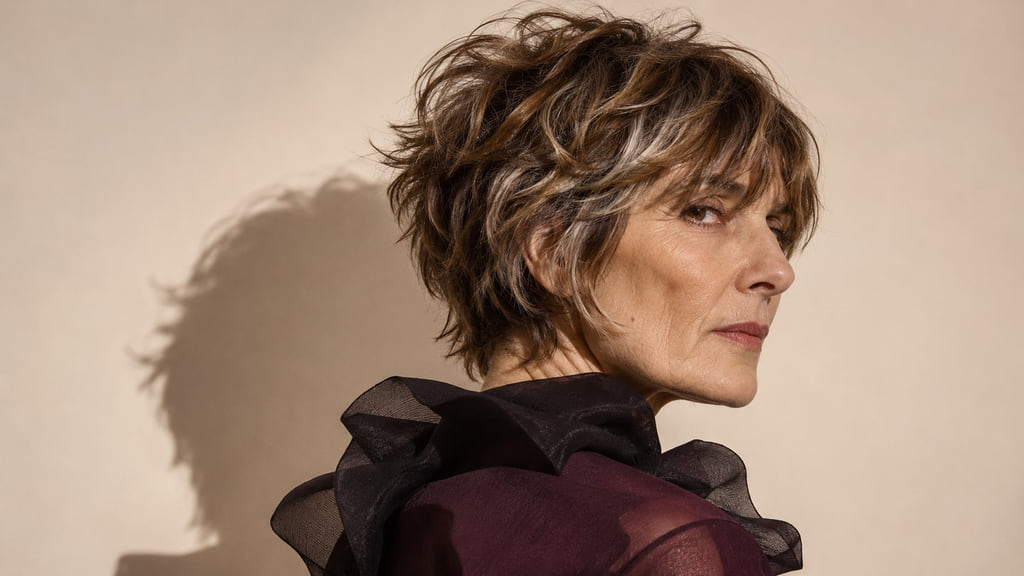
The crown layers are visible above the lower edge, and the fringe connects into the sides. Compare where the shortest piece ends with where the overall perimeter ends. If the photograph hides either landmark, find another angle before deciding how much length to remove.
Curly Crop
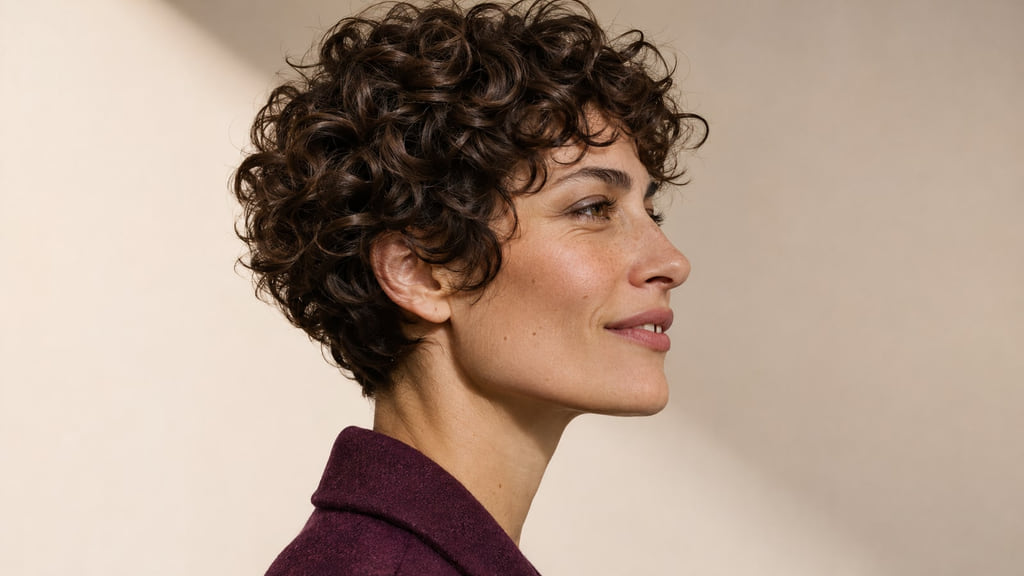
Read this cut in its dry state: the curls make a complete outline above the neck. A wet or stretched reference may show a different endpoint. Ask your stylist to compare the proposed front, crown, and nape on your hair as it is normally worn.
Account for Texture, Density, and Growth Direction
Texture describes how hair falls or curls; density describes how much hair occupies the cut. Strand diameter and growth direction are separate observations. On a classic pixie, a strong front growth pattern may lift the fringe, while a lower-density crown may show more scalp than the reference. Keep the natural density visible in your photos instead of choosing an image whose styling hides it.
A long pixie may offer more front length, but that does not mean it will fall like the model’s. If your hair expands, shrinks when dry, or separates around a cowlick, ask where the retained side and crown pieces would land in your usual finish. The aim is still a clear dry outline and front shape; the cutting plan belongs to the consultation. For a broader choice of families, see Haircuts for Women, Medium-Length Haircuts for Women, and Long Haircuts for Women.
Plan Styling and Grow-Out
Think about the cut after washing and after sleep. A classic pixie may need its front reset as it lengthens; a long pixie may let that front move but lose its intended side-to-nape relationship. A textured crop relies on visible strand separation. These are changes to watch, not a universal trim schedule.
| Cut family | Daily or wash-day question | Change to watch | Salon upkeep choice |
|---|---|---|---|
| Classic pixie | Can you reset the short front? | The close side and nape lose their compact edge. | Keep the ear and neckline outline clear. |
| Long pixie | Will you direct the longer front? | The front may cover more of the side than intended. | Protect the length you want to retain. |
| Textured crop | Does natural separation show after washing? | Piecey ends merge into a heavier surface. | Refresh the outline when separation matters to you. |
| Short bob | Do you want a smooth or natural bend? | The strongest line drops below its chosen landmark. | Maintain or soften the edge deliberately. |
| Short shag | Will you reset the fringe and crown? | Short layers blend into the lower edge. | Keep the crown-to-perimeter contrast you like. |
| Curly crop | How do your curls settle when dry? | The nape and front expand beyond the intended outline. | Review the dry shape in your ordinary curl routine. |
Choose the routine you are willing to repeat, then decide which line you would want refreshed first. Your threshold for returning to the salon can be based on that visible change rather than a fixed number of weeks.
Build Your Haircut Reference
Save a front view for the fringe, a side view for the crown and jaw landmark, and a back view for the nape. Keep the entire dry outline in each photograph. Add a photograph of your own hair in its normal dry finish so the stylist can compare texture, density, and growth direction with the reference.
Here is a request you can adapt: “I want to compare a classic pixie with a long pixie. I like the textured short crop’s readable nape and side profile, but I want to keep my natural density. Please show me how the perimeter, front framing, and crown shape would differ on my dry hair before we choose a cut. I can reset the front, but I do not want to style the whole cut every morning.”
Point to one feature to change and one to preserve. Bring those notes and your dry-hair photographs to the consultation, then ask which outline your stylist can build with the hair in front of them.
Frequently Asked Questions
How will this shape work with my natural texture?
Compare the reference with your own hair dry, especially the front, crown, and nape. Texture changes the shape of those lines; density changes how full they look. Face shape may guide your preferred framing, but it does not decide the cut for you. Ask which part of the reference would need adjusting instead of treating a photograph as an exact outcome.
What changes as the cut grows out?
On a classic pixie, the exposed ear and close nape can become less distinct. On a long pixie, the longer front may move across the side, changing its balance with the crown. Decide which change you mind first and use it to plan upkeep.
What should I show my stylist?
Bring front, side, and back views with full hair endpoints, plus a photo of your own dry hair. Mark the perimeter, fringe, crown, and nape you want to discuss. These six examples help you choose a family; a cut-specific guide can help when you need more detailed styling choices.