
Hair Colors for Blue Eyes: Depth, Reflection, and Choice
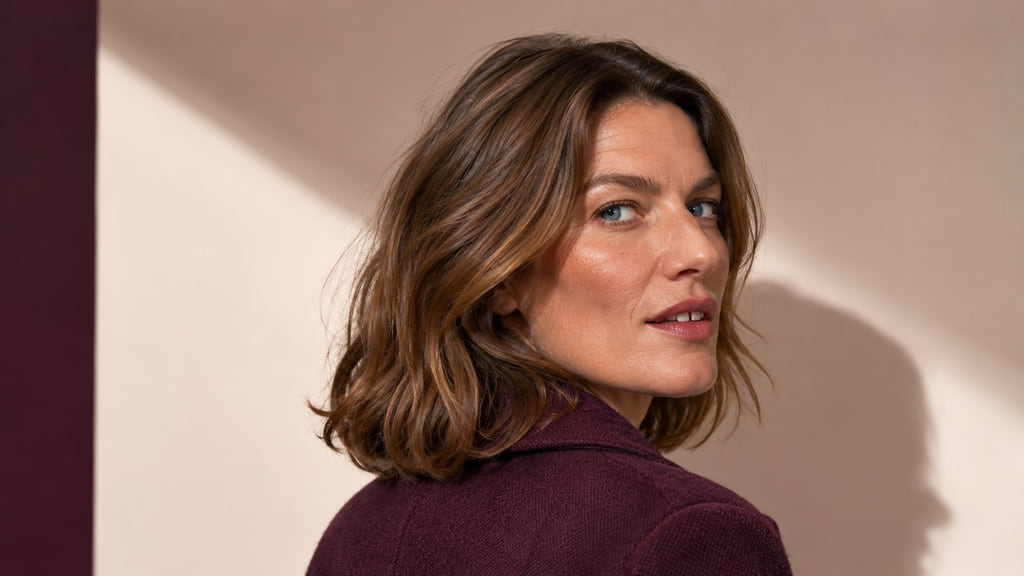
Use eye color as a reference detail while comparing overall hair-and-skin contrast. Compare soft blonde, neutral brunette, and copper direction, then ask a colorist what your starting base and color history can support.

Use your blue eyes as one reference detail while you compare the contrast among your hair, skin, brows, and eyes. Soft blonde changes overall lightness; neutral brunette keeps a brown field; copper changes the visible reflection. Choose the effect you want to discuss with a colorist, then account for your starting color and color history.
Read the Color Direction Before Choosing a Look
Imagine shoulder-length neutral brown hair beside visible natural blue eyes. You could lighten the whole field toward soft blonde, retain brown depth and adjust its reflection, or add a copper direction. Each changes a different part of the picture. Eye color alone cannot tell you your skin undertone, and no one shade will make every pair of blue eyes look brighter.
Depth is how light or dark the hair appears. Reflection is the tonal direction visible within that depth, such as neutral brown or copper. Wella’s hair color chart uses the number before the stroke for depth and the number after it for tone. That is Wella’s system, not a universal code across brands. Use the terms to describe what you see in a reference, then let a colorist translate them for your hair.
Soft blonde and neutral brunette create different effects. Blonde makes the overall frame lighter, while brunette lets you compare subtler changes in brown reflection. Hold the photo’s light and white balance steady when you judge the difference. Otherwise a warmer camera cast can look like a warmer hair color.
Compare Soft Blonde, Neutral Brunette, and Copper Direction
These three directions show what to compare. Keep the face, exposure, cut length, and camera angle consistent while you look at depth, reflection, and placement. Your starting hair color and color history will shape what a colorist can achieve.
| Direction | Depth and reflection | Placement to compare | Ask your colorist |
|---|---|---|---|
| Soft blonde | Lighter blonde depth with restrained saturation | Overall lightness or lighter pieces connected to your root | Which parts can become lighter while preserving the depth I like? |
| Neutral brunette | Brown base with a quieter, neutral reflection | Even brown or subtle variation through the lengths | Can we adjust reflection without changing the brown depth much? |
| Copper direction | Visible orange-red reflection at a chosen depth | A whole color field or a smaller warm placement | How much copper should be visible, and where? |
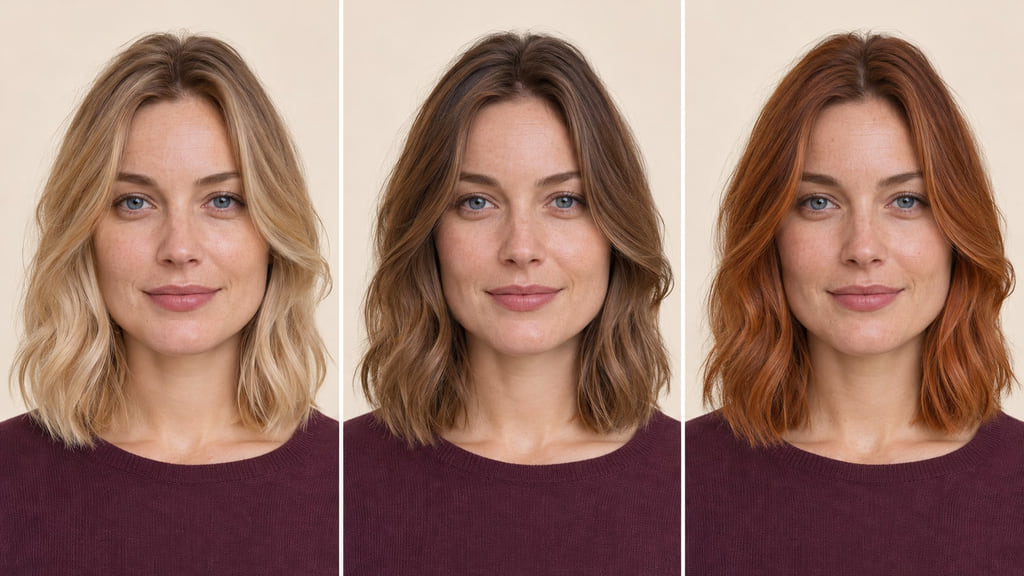
For a first choice, put soft blonde beside neutral brunette. The blonde is lighter without becoming highly saturated; the brunette keeps a brown base. Ask whether you want the larger depth change or a quieter change in reflection. Then compare either option with copper at a similar depth to isolate the warmer reflection.
Soft Blonde
Soft blonde gives this example a lighter overall field while keeping saturation restrained. When you save a reference, include the root and ends so the lighter depth is easy to read. If a second blonde photo differs mainly in reflection, compare it at a similar depth and under similar light. Ask which portion of your current hair would need to change and which portion you would prefer to keep.
Neutral Brunette
Neutral brunette retains a brown base. To judge its reflection, compare it with another brunette at a similar depth and fixed white balance rather than with a brighter, more flattering photograph. A small shift through the lengths may be enough for the visual difference you want. Ask whether the change is in tone, placement, or both.
Copper Direction
Copper brings a visible orange-red reflection to the hair. Compare it with a neutral brown at similar depth and lighting so the warmer reflection is the main difference. A smaller copper placement and an all-over direction will read differently around the face. Ask where you want that warmth to appear before discussing a service.
Account for Your Starting Base
Look at your natural roots, previously colored lengths, and ends as separate parts of the starting picture. Hair history affects the route to a target color; Wella’s guide asks colorists to consider the starting point and previous processes. A soft blonde photograph describes a direction, but it cannot establish what your current hair can reach. Bring a current photograph that shows both roots and lengths, plus a note about previous color.
If your hair is already close to neutral brunette, you may be asking for a change in reflection or placement rather than a large depth shift. If the reference has a different base or a routine you would not keep, tell the colorist what matters most: brown depth, a quieter reflection, or a softer transition from the root. You can use the same eye-color reference while choosing a different route to the visible effect.
If you are still deciding which variable matters most, the hair color guide helps separate depth, reflection, and overall contrast. Return to this comparison once you know which effect you want to test.
Plan Regrowth and Color Upkeep
Before choosing soft blonde, consider whether you want lightness close to the scalp or a transition that leaves more of your natural root visible. Notice when the difference between new growth and the colored lengths starts to bother you. For neutral brunette, watch whether its reflection still looks distinct from your starting base. For copper, decide how much change in its warm reflection you are comfortable seeing as the color wears. These are observation points, not fixed appointment schedules.
| Direction | Daily check | Regrowth or color change to notice | Salon discussion |
|---|---|---|---|
| Soft blonde | Does the lighter field still look like the reference in ordinary light? | A root boundary or a reflection you no longer like | How close should brightness begin to the root? |
| Neutral brunette | Does the brown depth still show the dimension you chose? | Reflection becoming less distinct from your natural base | Would you refresh tone, change placement, or leave it alone? |
| Copper direction | Is the warm reflection still at the intensity you prefer? | Warmth shifting or a new root boundary | Would a smaller placement fit your tolerance for change? |
Use those observations to describe your tolerance for daily care and salon upkeep. A colorist can then explain which approach fits your current base without promising the same schedule to everyone.
Build Your Color Reference
Save one clear photograph of your current hair in neutral light, including roots and ends. Add a front or three-quarter reference of the direction you like and another view that shows its placement. Keep filters and dramatic color casts out of the comparison. Mark the hair depth or reflection you want to preserve and the one feature you want to change.
You can say: “I want to compare soft blonde with neutral brunette. My reference is neutral brown shoulder-length hair with visible natural blue eyes. Keep the natural density and show me the difference in depth, reflection, and placement before we choose a service.” That gives your colorist a specific visual question without prescribing a formula.
Choose the closer direction and bring both references to a consultation. You can also preview a color direction to compare an on-screen look, but that preview cannot predict a dye result or establish what your hair can reach.
Frequently Asked Questions
How do I compare these shades at a similar depth?
Use references with the same light, exposure, and approximate hair depth. Then compare neutral and copper reflection without a lightness change obscuring the difference. Wella’s chart separates depth and tone in its own system; a colorist can help identify both in your references.
Does my starting color change the achievable result?
Yes. A soft blonde target and a neutral brunette target may require different changes from your current base. Show your natural roots and colored lengths to a colorist, and describe your color history before choosing between them. The photograph is a target for discussion, not a promise of the result.
Can a virtual preview predict the dye result?
No. A screen preview lets you compare visible directions, but it cannot assess your hair history or predict a chemical service. Blue eyes do not determine your undertone or make one shade universally brighter. Keep the preview as a reference and discuss the starting base in person.