
Hair Colors for Bright Winter: A Practical Comparison
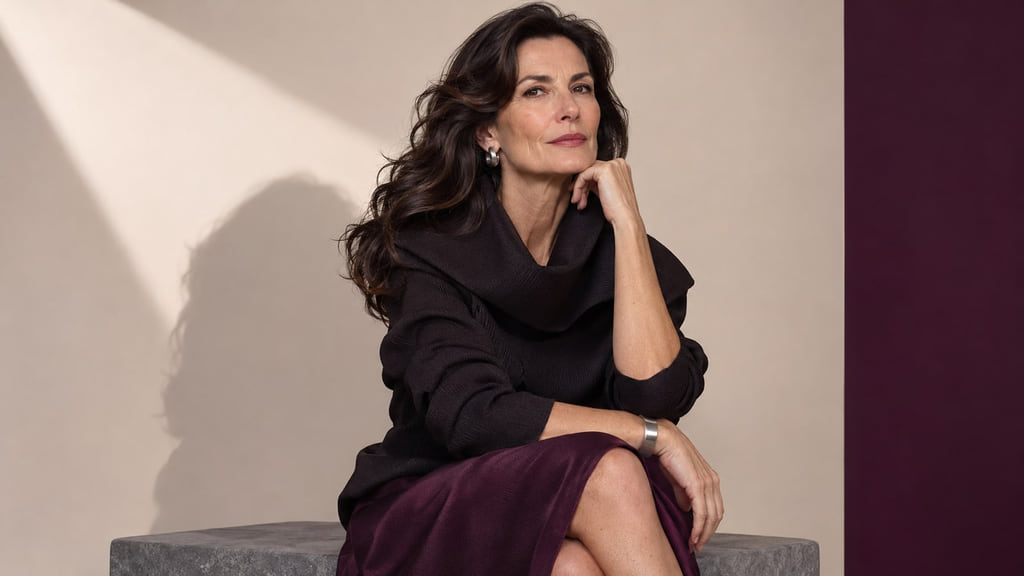
Compare clear cool-to-neutral depth and sharper contrast without oversaturating the hair. Start with clear espresso, cool dark brown, and deep red-violet. Treat these as directions to discuss with a colorist: your starting base and color history affect what is achievable.

Read the Color Direction Before Choosing a Look
Picture clear deep brunette waves with a restrained cool reflection: the hair reads dark, yet individual strands remain visible. That is one way to compare clear cool-to-neutral depth and sharper contrast without making every section louder. The Concept Wardrobe’s Bright Winter guide describes Bright Winter as bright and cool within its twelve-season framework. Use that label as a styling reference, not a diagnosis or a rule that your natural hair must change.
Brightness here means color clarity, not a requirement to lighten hair. Clear espresso keeps a deep brown base; cool dark brown lets more brown show at a similar restrained temperature. These are editorial examples, not shades certified for every person in the category. Compare them in the same light before deciding whether depth or reflection is the difference you actually want. Wella’s color-chart guide separates depth from tone in its own numbering system; its codes do not apply to every brand. Start by naming the depth and reflection you can see in your current hair.
Compare Clear Espresso, Cool Dark Brown, and Deep Red-Violet
Keep the face, exposure, cut, and overall starting depth as steady as possible. A brighter photograph can make one option look clearer even when the hair color itself is not. This table compares what changes in each editorial reference and gives you a question to take to a colorist.
| Direction | Depth and reflection | Placement to notice | Consultation question |
|---|---|---|---|
| Clear espresso | Deep brown with restrained cool-neutral reflection and visible dark strands | Keep the deeper areas readable instead of making them one solid block | Which areas of my current depth can stay? |
| Cool dark brown | Brown rather than near-black, with a cool reflection and visible strand detail | Look for brown across the lengths, not only in a bright highlight | Can we show more brown without adding unwanted warmth? |
| Deep red-violet | Deep base with a visible red-violet or violet reflection | Decide whether the reflection belongs throughout or in selected sections | How would this reflection read on my starting base? |
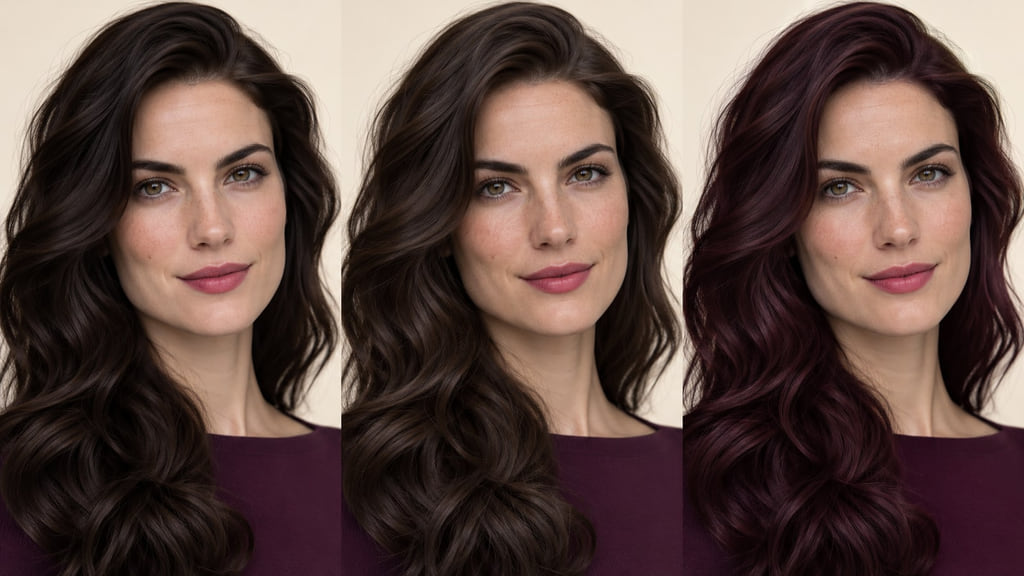
For a first shortlist, compare A, clear espresso with a deep brown base and separated dark strands, against B, cool dark brown with more visible brown through the lengths. If B seems preferable only because its image is lighter, compare again at equal exposure. Keep deep red-violet as a separate choice about reflection, rather than treating it as an automatic upgrade.
Clear Espresso
This editorial reference holds a deep brown base while preserving strand detail in the darker areas. Against cool dark brown, ask whether you want the deeper outline or the extra visible brown. Keep the face, exposure, and cut the same for the comparison. Ask your colorist which sections of your existing depth could remain and where a change would actually be needed.
Cool Dark Brown
Here the base reads brown, with a cool reflection and visible separation inside the dark waves. Compare it with clear espresso at the same exposure; a brighter image alone does not show a different hair color. Ask whether your current roots and lengths can support that visible brown direction without assuming a universal color formula.
Deep Red-Violet
This option changes the reflection more clearly: red-violet appears in the lit waves while the deeper strands retain detail. Hold the same cut and lighting when comparing it with either brunette option. Ask whether you want that reflection across the lengths or in a limited area, and how your present color could change what is visible. Use the table to select two directions worth comparing in person.
Account for Your Starting Base
Photograph your natural roots and your lengths in neutral light, then note previous coloring and the length you want to keep. A clear espresso reference may begin with a deep brown base that your hair already has, or it may show a depth your current lengths do not. The reference image cannot establish the route to that result. Wella’s chart helps describe depth and reflection within its own system, but a number from one brand is not a universal request.
If cool dark brown is your preference, point to the brown you want visible in ordinary light. Ask what would change if your lengths already contain darker color, or if your usual routine makes a cool reflection less noticeable. Deep Winter has its own decision about deeper colors; the Winter family and Cool Winter comparisons belong to their separate guides. Bring your actual starting-base photograph to the consultation before choosing a service.
Plan Regrowth and Color Upkeep
For clear espresso, notice whether new roots change the deep outline and whether the lengths still show separate strands in your usual light. For cool dark brown, look for the point at which the brown reflection or root boundary becomes more noticeable than you want. Deep red-violet adds another visible choice: how much change in the red-violet reflection are you comfortable seeing between salon visits? Discuss the care and refresh options for the actual service; a photograph cannot set one interval for everyone.
| Direction | Everyday check | Change to watch | Salon support to discuss |
|---|---|---|---|
| Clear espresso | Do dark strands remain distinct in your usual styling? | A root boundary or flatter-looking lengths | How to preserve the chosen depth and visible detail |
| Cool dark brown | Does brown remain visible without a warmer cast than you want? | Reflection changing or roots standing apart | How to maintain the brown direction you selected |
| Deep red-violet | Is the red-violet reflection still visible where you wanted it? | Reflection becoming less or more noticeable | What a realistic refresh would involve for your hair |
Choose the row whose visible changes you are willing to monitor with your daily routine and salon availability. Then ask which part of that plan fits your color history.
Build Your Color Reference
Save the matched comparison above and a photograph of your own hair in neutral light. Add a side or back view that shows your roots, lengths, natural density, and where you want reflection to appear. A single front-facing reference can hide the depth within the waves.
You can bring this request to a consultation: “I want to compare clear espresso with cool dark brown. My reference is clear deep brunette waves with restrained cool reflection. Keep the natural density and show me the difference in depth, reflection, and placement before we choose a service. Here is my current color and color history. Which direction can my hair support?”
Choose the direction you want to discuss first and point to the depth and reflection that matter in your reference. Bring that image alongside your current-hair photographs so the comparison has a clear starting point.
Frequently Asked Questions
Is this a diagnosis or a styling framework?
It is a styling framework. The cited twelve-season model describes Bright Winter as bright and cool, while Wella’s chart provides separate vocabulary for depth and tone. Neither source determines an individual result from a photograph. Compare the color you can observe, then discuss your own base with a colorist.
Do I need to dye my hair to fit a palette?
No. Compare the clear espresso and cool dark brown references with your natural hair first. You may already like the depth and reflection you have. A palette label does not require a service.
How can I compare depth and reflection?
Use similar lighting, white balance, and exposure. First ask whether one option is lighter or darker; then ask whether its reflection is cool brown, cool-neutral, or red-violet. Brightness is color clarity, not a requirement to lighten hair.