
Hairstyles for Square Faces: A Practical Comparison

Choose whether to echo or contrast a defined jaw through the shape of your hair. Compare a clean jaw bob, curved face frame, side-swept fringe, and textured crop, then check the line you prefer against your own dry texture, density, and routine.

A defined jaw does not call for one corrective style. A straight bob edge can repeat its geometry; a curved front section can draw a different line beside it. The choice is which relationship you want to see, and whether your hair will hold it with a routine you enjoy.
Read the Cut Outline Before Choosing a Look
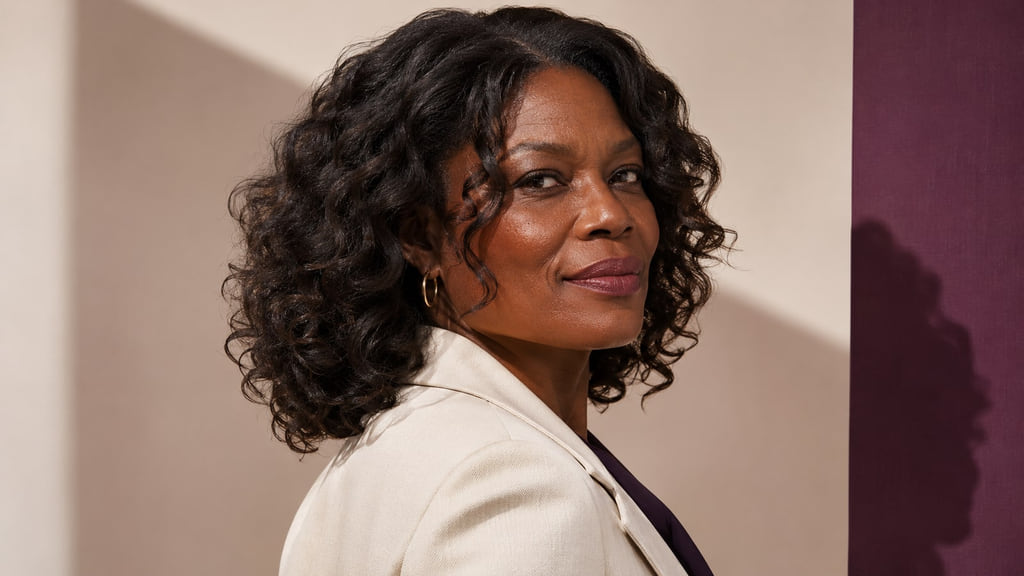
Start with the perimeter, the visible outside edge of the haircut. In the photo above, shoulder-length ends make one lower line while shorter front layers curve beside the jaw. Compare those two lines separately. A clean jaw bob instead places a straighter edge near the jaw, making that geometry part of the design.
Layers are sections cut to different lengths, and their placement changes where the eye sees weight. Sam Villa’s guide to layering distinguishes techniques by weight distribution and cutting-line visibility; it describes horizontal sectioning as one way to build weight into a shape. These are useful words for a consultation, not instructions for a particular cut. The same educator’s face-shape guide treats face shape as one consideration alongside texture and density. Your preference for a graphic or curved outline comes first.
Compare Clean Jaw Bob, Curved Face Frame, and Side-Swept Fringe
Trace three features in each reference: the dry perimeter, the shortest front section, and where the most visible volume sits. When comparing your own options, use photos with a similar camera angle, lighting, dry texture, and apparent density.
| Option | Visible line | Question for your stylist |
|---|---|---|
| Clean jaw bob | A clear, nearly straight bob edge sits near the jaw and echoes its line. | Where will this edge land when my hair is dry? |
| Curved face frame | Front sections curve beside the cheek and jaw while the lower length keeps its own outline. | How short can the front pieces be without losing my lower edge? |
| Side-swept fringe | A diagonal front line moves from the natural part and connects into one side. | Will my growth direction keep the fringe on that side? |
| Textured crop | Shorter sides and nape expose the ear and jaw; separated pieces give the crown a broken edge. | What will the front and crown look like without daily styling? |
For an A/B choice, compare the clean jaw bob with the curved face frame. In A, follow the straight lower edge beside the jaw. In B, follow the front sections as they bend past it. Keep your desired length and natural density in view: this is a choice about line placement, not a ranking of faces.
Clean Jaw Bob
A jaw-level bob repeats the jaw’s horizontal edge in a deliberate, graphic way. The photo keeps the bob perimeter visible without hiding the jaw. Ask your stylist to mark the intended dry endpoint and show whether a little internal movement would preserve the clean outer line on your hair.

Curved Face Frame
Here the shorter front sections bend beside the cheek and jaw instead of making a second straight line. The curl pattern and shoulder-length perimeter remain visible as separate features. Bring a photo of your usual dry hair and ask where those front pieces would end on your own texture.
Side-Swept Fringe
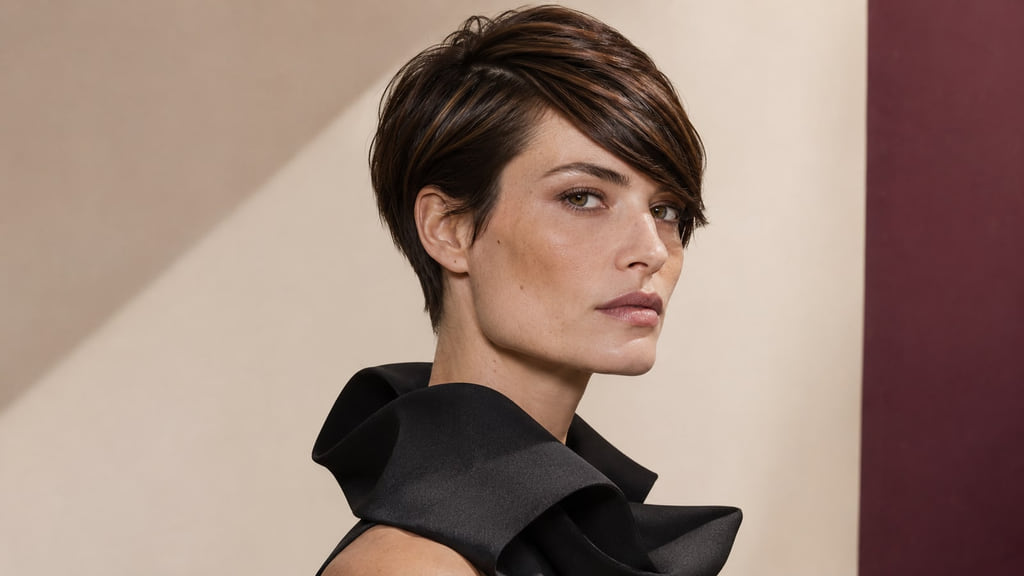
A side-swept fringe draws a diagonal from the natural part toward one side. Its ends join the rest of the cut rather than opening at the center like curtain bangs. Check the direction your hair takes after washing; a reference styled against your growth pattern may require more daily resetting than its photo suggests.
Textured Crop
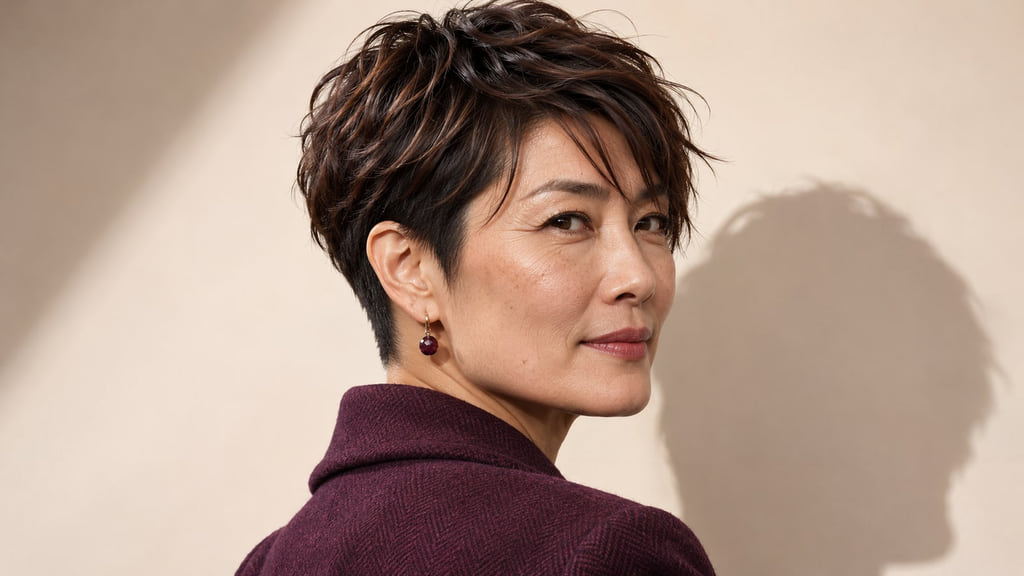
The short nape and sides keep the ear and jaw outline clear, while separated pieces make the crown less continuous. This is another way to show a defined jaw rather than cover it. Ask what remains of the front shape when the crown settles after styling.
Account for Texture, Density, and Growth Direction
Check each line at your hair’s natural dry length. Waves and curls can lift the ends above a wet cutting landmark, and a strong part can redirect a fringe. Density affects how full a perimeter looks; it is separate from whether the strands are straight or curly. A bob reference with a dense, smooth edge may need a different amount of layering on your hair. Ask your stylist to preserve the weight you want at the bottom instead of assuming the reference’s fullness will transfer.
If you like the curved face frame but your front pieces spring shorter or take more styling than you want, keep the goal and adjust the endpoint. A longer front section can still curve beside the jaw. Compare that possibility on your dry hair before deciding how much length to remove. For other proportions and placements, see Hairstyles for Oval Face Shape, Hairstyles for Round Faces, and Hairstyles for Heart-Shaped Faces.
Plan Styling and Grow-Out
For a clean bob, decide whether you will smooth and check the outer edge after wash day. As the ends grow past the chosen jaw landmark, the graphic relationship changes. A curved face frame may tolerate a less exact lower edge, but its shorter pieces can lose their intended bend or connection to the rest of the cut. Fringe needs a repeatable direction; a crop asks you to decide how much crown separation you want to recreate. Review the shape when those visible features change rather than following one fixed appointment interval.
| Option | Usual reset to consider | What changes as it grows | Salon upkeep to discuss |
|---|---|---|---|
| Clean jaw bob | Check the lower edge after drying. | The sharp line moves below the jaw. | How precise should the perimeter stay? |
| Curved face frame | Direct the front pieces into a curve if needed. | Short layers fall lower and blend into the ends. | When should the front connection be reshaped? |
| Side-swept fringe | Reset the diagonal after washing or sleeping. | The front can cover more of the eye or lose its side connection. | How often do you want the front line refreshed? |
| Textured crop | Separate crown pieces to show texture. | The nape and sides lose their short contrast. | How crisp should the ear and nape outline remain? |
Build Your Haircut Reference
Save one front and one side view that show the full dry outline. Add a photo of your own hair after its usual wash and styling routine. That lets you identify which part of the reference you want to change and what you want to keep.
I want to compare a clean jaw bob with a curved face frame. My reference is curved shoulder-length face-framing layers beside a defined jaw. Keep my natural density and show me the difference in perimeter, front framing, and crown shape before we choose a service.
Choose the line you prefer, then bring both references and a photo of your own dry hair to a consultation. Ask which details can be kept and which need to change for your texture and routine.
Frequently Asked Questions
Do I have to follow a face-shape rule?
No. Face shape is one descriptive reference among your hair texture, density, routine, and preference. A clean bob can intentionally echo a jaw; a curved frame can create a different line beside it.
How can I compare fringe and volume placement?
Trace where the shortest front section ends and where the crown looks fullest in photos taken at a similar angle. Then compare those points with your natural part and dry hair rather than judging the face alone.
What if my face does not fit one category?
You can still choose a visible hair line. Mixed proportions do not require a label before you ask for a graphic bob or curved front pieces. Show your stylist the effect you want and check it against your texture and upkeep preferences.