
Hairstyles for Oval Face Shape: A Practical Comparison

Use flexible proportions to choose a silhouette that fits your hair and upkeep. Compare a short crop, jaw bob, shoulder layers, and longer fringe by their visible outline, then check each reference against your texture, density, and daily routine.

A short crop exposes the ear and nape, a jaw bob makes the lower edge prominent, shoulder layers spread movement through more length, and longer fringe changes the front frame. Pick the feature you want to see first. An oval outline gives you room to compare these shapes, but texture, density, growth direction, and styling effort determine how a reference will translate to your hair.
Read the Cut Outline Before Choosing a Look
Trace the front section, the widest point, and the dry perimeter—the visible bottom edge. In the bob above, the edge curves around the jaw; in a crop, the shorter sides and nape leave that outline open. Layers change how length and visual weight are distributed. Sam Villa’s explanation of layering distinguishes cutting approaches by weight distribution and line visibility, and describes horizontal sectioning as one way to build weight into a shape.
These are useful terms for a consultation, not instructions to cut every oval face the same way. A crop and a bob can both frame an oval outline while asking for different front lengths and upkeep. Sam Villa’s face-shape discussion treats face shape as one consideration alongside texture and density. Use the outline you prefer, then ask what your own hair can support.
Compare Short Crop, Jaw Bob, and Shoulder Layers
Compare visible features rather than ranking the looks. For your own references, try to match camera angle, lighting, dry texture, and apparent density so the haircut outlines are easier to compare.
| Option | Visible feature | Ask your stylist |
|---|---|---|
| Short crop | Nape and sides end above the longer crown and front section; ear and nape stay visible. | Which front length and crown shape can my growth pattern maintain? |
| Jaw bob | A readable dry edge meets the chin or jaw, with layer amount visible separately. | Where will my dry perimeter sit at the front and side? |
| Shoulder layers | The lower edge contacts the shoulders while shorter sections move above it. | Where should the shortest layer begin without losing my preferred edge? |
| Longer fringe | The front section extends below the brow when dry and can sweep away from the eyes. | How will this section fall with my natural part? |
For an A/B choice, put a short crop beside a jaw bob at a similar angle. In A, follow the short nape, exposed ear, and longer front. In B, follow the continuous edge against the jaw. Decide whether you want an open lower outline or a stronger line around it; your stylist can then discuss how much weight to keep in the chosen shape.
Short Crop
The nape and sides are shorter than the crown, while the front remains long enough to form a distinct section. This view lets you inspect the ear and nape instead of relying on the word short. If your hair grows forward or lifts at the front, ask how that section would sit without the reference styling.

Jaw Bob
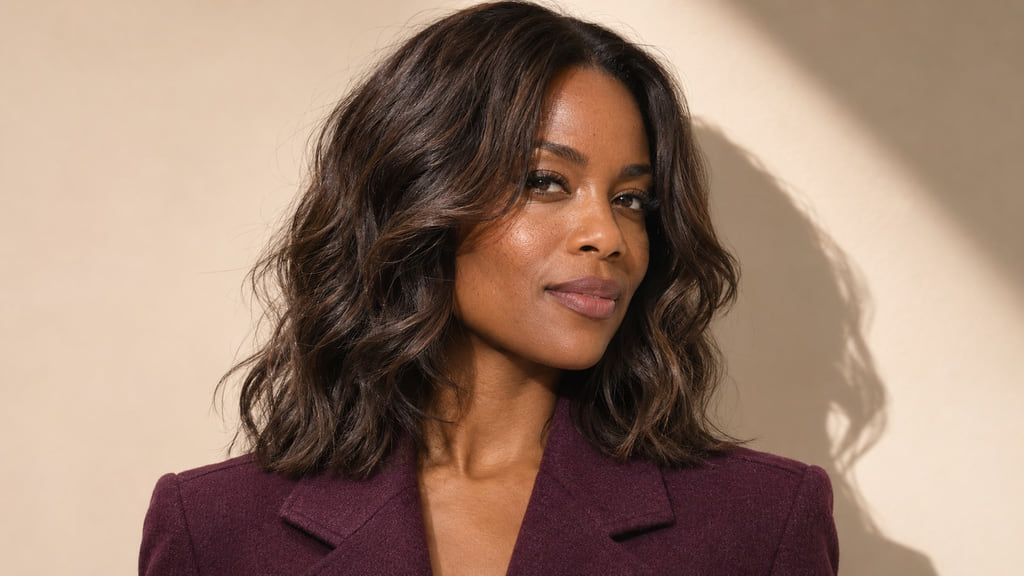
Here the dry ends gather near the jaw, while the curved edge remains easy to trace. Look at the front and side views together: the same named bob can place its strongest line at different heights. Ask how much internal layering would change the edge on your hair instead of assuming the photograph’s fullness will transfer.

Shoulder Layers
A shoulder-contact edge keeps more length than the bob, while shorter pieces release movement around the face. Identify both the contact point and the shortest visible layer in a reference. If the layer starts higher than you want, ask to lower it while retaining the shoulder line.
Longer Fringe
A longer fringe extends past the brow in its dry state. Its practical question is where the front section falls during an ordinary day, especially if you prefer it away from your eyes. Ask to compare the front section with and without your usual part before changing the rest of the cut.

Account for Texture, Density, and Growth Direction
Check your reference against your natural dry texture, the amount of hair in the front section, and the direction it grows. A crop with a smooth front may need a different daily reset if your hair lifts at the hairline. A dense-looking photograph does not add density to your own hair; ask how the short sides and crown can be shaped with what you have. Face shape is only one part of that discussion.
The jaw bob poses another question. If your texture expands or contracts as it dries, mark the dry jaw landmark you want before discussing the cutting line. If your routine cannot support the reference’s smooth edge, bring a photo of your usual texture and ask whether a softer perimeter can preserve the same overall length. For neighboring face-shape examples, compare round-face hairstyles, heart-shaped-face hairstyles, and diamond-face hairstyles without treating any category as a rule.
Plan Styling and Grow-Out
With a short crop, notice whether the nape still shows the outline you chose and whether the front section keeps its intended direction after washing. A jaw bob asks you to watch the lower edge: as it passes your preferred landmark, the strongest line changes. Shoulder layers and longer fringe have their own cues, so discuss a salon return when those visible features stop matching your goal rather than following one fixed schedule.
| Option | Daily attention | Grow-out cue | Salon discussion |
|---|---|---|---|
| Short crop | Set the front and check the crown after drying. | The nape or sides obscure the open outline. | Which section needs reshaping first? |
| Jaw bob | Check where the dry edge settles. | The edge drops past your chosen jaw landmark. | How much weight should remain at the perimeter? |
| Shoulder layers | Refresh the shorter movement if your texture needs it. | The shortest piece stops framing where you intended. | Can the lower edge stay at the shoulders? |
| Longer fringe | Reset the front section if it separates or falls into your eyes. | The dry endpoint changes your preferred opening. | Where should the fringe reconnect to the sides? |
Build Your Haircut Reference
Save one front view and one side view of your preferred shape, both showing the entire crown and dry ends. Add a photo of your own hair after its normal drying routine. You can take this specific request to your stylist:
I want to compare a short crop with a jaw bob. My reference is a jaw-length bob with a softly curved perimeter. Keep my natural density in mind and show me the difference in perimeter, front framing, and crown shape before we choose a service.
Choose the silhouette and upkeep you want to discuss, then adapt the reference to your hair in person. Ask which parts of the cut can hold their shape with your natural texture and routine.
Frequently Asked Questions
Do I have to follow a face-shape rule?
No. Face shape describes proportions; it does not decide your haircut. Compare the cut’s edge, layers, and front section with your texture, density, and preferred routine.
How can I compare fringe and volume placement?
Look at the front section and the widest point separately. A short crop can leave the ear open while lifting around the crown; a jaw bob can put a stronger line lower down. Hold camera angle and dry texture as steady as possible when comparing photos.
What if my face does not fit one category?
Use the parts of each description that help you name a visible shape. An oval label does not mean every cut works without texture, density, and styling considerations. Bring the reference and your own dry-hair photo to a consultation, and discuss the line you want to keep.