
Butterfly Haircut Guide: Shape, Texture, and Upkeep
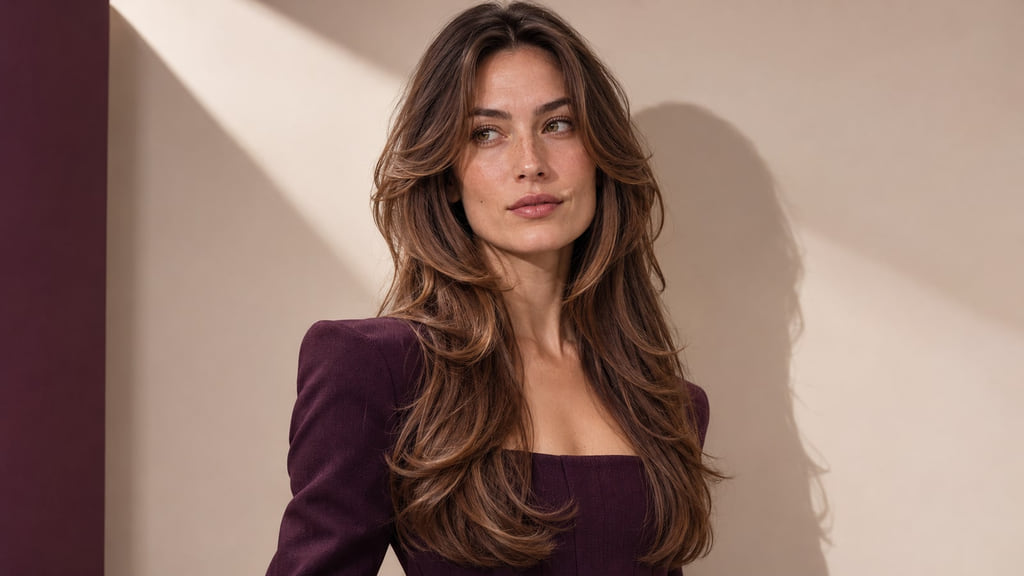
Choose how far the short face-framing layers separate from the longer perimeter. Compare long butterfly layers, a shoulder-skimming version, and a softer blend, then check which outline makes sense with your dry texture, density, and usual routine.

A butterfly haircut keeps a longer outer edge while shorter layers frame the face. The useful decision is how clearly you want those lengths to separate. A long version shows the strongest short-over-long contrast; a shoulder-skimming version compresses it; a softer blend keeps the difference quieter. Look at the front, side, and ends in your usual dry texture before choosing a reference.
Read the Cut Outline Before Choosing a Look
In a butterfly haircut, the shorter face frame can suggest a shorter cut from the front while the longer lengths remain visible behind it. That is the defining contrast described in Prose’s butterfly haircut guide. Trace the shortest front piece to its endpoint, then find the outer edge—the perimeter—at the back. If the photo hides either one, it cannot tell you how much length the cut actually retains.
Layers distribute hair at different lengths, and their visible lines depend partly on where weight stays in the shape. Sam Villa’s explanation of horizontal and vertical layering describes that weight difference. Use the distinction to discuss a reference, not as a cutting instruction: ask whether you want a distinct upper face frame or a more continuous transition into full ends.
The names below are editorial examples of outlines, not promises for every head of hair. Density, curl pattern, and dry length can change how much separation remains visible. Start with the perimeter you want to keep, then decide how short the front can become without losing the shape you like.
Compare Long Butterfly Layers, a Shoulder-Skimming Version, and a Softer Blend
Compare these three variants by the same features: the shortest front section, the outer edge, where fullness sits, and what happens without a polished blowout.
| Outline | Front and perimeter | Where to look for fullness | Check in your routine |
|---|---|---|---|
| Long butterfly layers | A shorter face frame is clearly separate from retained long ends. | The lower edge stays substantial below the upper movement. | Can you see both lengths when the hair falls naturally? |
| Shoulder-skimming version | The face frame remains distinct, but the perimeter meets the shoulder. | The shorter distance between tiers makes the bottom edge especially important. | Does shoulder contact change where the ends turn in your texture? |
| Softer blended version | The front still reads shorter, with a gentler transition into long ends. | Weight appears more continuous through the sides and perimeter. | Do you prefer this line when you skip a full set? |
For example, compare a long butterfly reference showing face-framing layers and full, uncropped ends with a shoulder-skimming reference showing both the shortest front piece and the shoulder contact. The choice is the distance between those visible lines, not which model or face looks better. If the photos use different angles or styling, ask for matched side and back views before making that comparison.
Long Butterfly Layers

This option gives the two lengths room to read separately. In a reference, keep the entire lower perimeter in view; a crop at the shoulders can make a long cut look shorter than it is. Tell your stylist which front endpoint you like and which long length you want to preserve. The pictured separation is an example, not a measure that every density can support.
Shoulder-Skimming Version

With less distance between the shortest front layer and the outer edge, this version can read as a softly layered shoulder-length cut. Show your stylist a side view that includes the shoulder and the front together. Ask where those ends will sit dry, especially if your hair springs upward or turns outward at that landmark.
Softer Blended Version
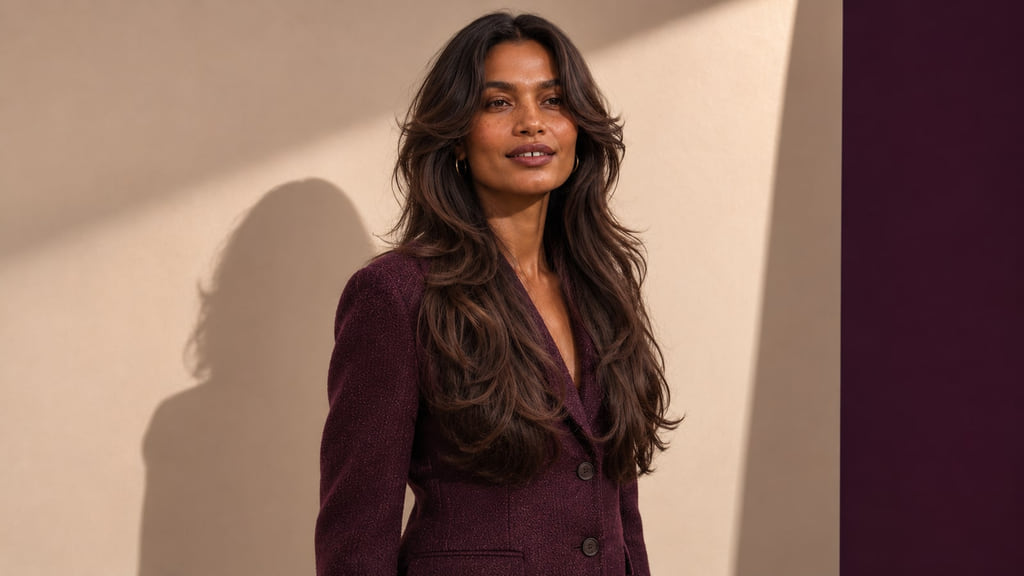
Choose this example if you want the face frame to move without a pronounced upper tier. The key is still a shorter front and a longer retained perimeter; otherwise the reference may simply show general layers. Compare it with the long version in your normal finish. Ask which sections would be shortened and which would stay full.
Account for Texture, Density, and Growth Direction
Texture describes how the hair falls; density describes how much hair occupies the shape. They are different from the diameter of one strand. A heavily layered reference can look very different on lower-density hair because less material may remain at the perimeter. Curly or coily hair may also finish at a different dry landmark than a stretched reference. None of those categories automatically rules out a butterfly shape, but they change how much separation is practical.
Bring a photo of your own hair after its ordinary dry routine. Point out your part, any strong growth direction at the front, and whether the ends already taper. Ask your stylist to show where the shortest face frame would land dry and how much fullness would remain below it. If the long version removes more weight than you want, compare a longer first layer or the softer blend. If the shoulder-skimming version meets a strong bend at the shoulder, discuss a different perimeter landmark.
For a broader comparison, keep the question separate: layered haircuts concern layer patterns across many shapes; a wolf cut emphasizes a more broken crown and lighter lower outline; long haircuts help when your main decision is the retained length. Here, compare only the distance between the butterfly face frame and its perimeter.
Plan Styling and Grow-Out
The cut and the set are separate choices. A round-brush finish can turn the front layers away from the face and make the contrast clearer, while an air-dried finish may show a quieter outline. Use your real routine as the test: if you rarely style the front, judge the reference in a relaxed finish as well as in a blowout. Follow the directions for any heat tool or product you use; the cut itself does not promise a particular styling result.
| Outline | Everyday reset | What may change as it grows | Salon conversation |
|---|---|---|---|
| Long butterfly layers | Check whether the front still separates without a full set. | The shortest section may stop framing where you intended. | Which front endpoint should stay visible? |
| Shoulder-skimming version | Notice how the ends behave at the shoulder. | The outer edge may move past the shoulder landmark. | Which dry perimeter do you want to maintain? |
| Softer blended version | See whether the gradual transition suits your usual finish. | The front-to-back difference may become less obvious. | When would you want that difference restored? |
There is no useful universal trim interval for these versions. Revisit the cut when the shortest front piece, outer edge, or volume placement no longer matches your chosen outline. If keeping that line would require more daily styling or salon visits than you want, start with a softer separation.
Build Your Haircut Reference
Save a front photo that shows the shortest face-framing piece, a true side view that shows the distance to the perimeter, and a back view with the ends uncropped. Add one photo of your own hair in its usual dry state. The same lighting and a similar head angle make two references easier to compare; a styled image alone can hide the underlying cut.
You could say: “I want to compare long butterfly layers with a shoulder-skimming version. My first reference has visible face-framing layers and full long ends. Please show me how the perimeter, shortest front section, and crown shape would differ on my natural density and dry texture. I want to keep enough weight at the bottom and understand how each version looks without a full blowout.” Adjust the landmarks and routine to your own priorities before choosing a service.
Take the two clearest references to a stylist. Point to the shorter face frame and longer perimeter in each one, then choose the separation you can describe and maintain with your own hair.
Frequently Asked Questions
How will this shape work with my natural texture?
Look at your hair dry, then identify where a shorter front section could sit above a longer edge. Waves, curls, coils, density, and growth direction can all change how distinct the layers look. A face shape is only one visual reference; the actual perimeter and volume placement matter more than a universal rule. Ask a stylist to adapt the layer start to your usual texture.
What changes as the cut grows out?
The shortest front section and the perimeter move away from the landmarks you chose. In long butterfly layers, the short-over-long difference may become quieter; in a shoulder-skimming version, the ends may move below the shoulder. Watch those visible lines in your normal finish rather than following a fixed trim calendar.
What should I show my stylist?
Bring front, side, and back views with the ends visible, plus a photo of your own dry texture. Compare a long and a shoulder-skimming example if you are unsure about the perimeter. Point to the shortest front piece, retained length, and fullness you want. A heavily layered reference is a starting point for discussion, not a result every density or curl pattern will reproduce.