
Hair Colors for Hazel Eyes: Depth, Reflection, and Choice
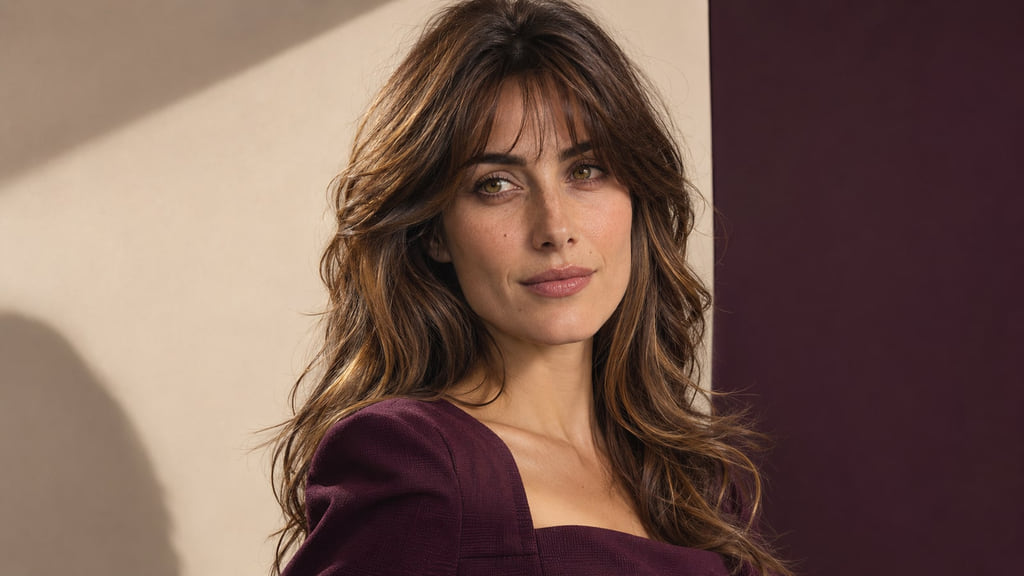
Compare the overall contrast between your face and hair while allowing for the different ways hazel eyes can appear. Caramel brown, soft auburn, beige blonde, and neutral espresso offer four visible directions. Use them to start a conversation with a colorist: your current base and color history affect what is achievable.

Read the Color Direction Before Choosing a Look
Start with the contrast between your whole face and your hair, then decide which color reflection you want to see. Warm-neutral brunette layers beside naturally hazel eyes, for example, give you a starting reference for both depth and warmth. Hazel eyes vary in appearance, so no exact iris fleck or single hair color determines the right choice for everyone.
Depth describes how light or dark the hair looks; tone describes its color direction. Wella’s hair color chart uses the number before a stroke for depth and the number after it for tone. That is Wella’s system, not a universal numbering rule. For this guide, compare what you can see in the hair before asking a colorist to translate a reference into a brand’s shade codes.
Caramel brown and soft auburn illustrate two different decisions at a similar brown depth: one has a brown-gold reflection, the other a restrained red-brown reflection. Neither is a ranking of hazel eyes or a promise that a particular eye detail will stand out. Keep the face, lighting, camera exposure, and hair depth consistent when you compare reflections. If you want to compare depth instead, keep the reflection and lighting as similar as possible.
Compare Caramel Brown, Soft Auburn, Beige Blonde, and Neutral Espresso
The four directions below change depth or reflection in different ways. Placement is a separate decision: you can ask for a more continuous color field or discuss where any brighter section would begin. Use the table to identify the difference you want to discuss with your colorist.
| Direction | Depth and reflection | Placement to compare | Question for your colorist |
|---|---|---|---|
| Caramel brown | Brown base with a brown-gold reflection | Soft warmth through the lengths or selected pieces near the face | Which section should change, and which brown depth should stay? |
| Soft auburn | Brown depth with a restrained red-brown reflection | A continuous auburn field or a smaller visible accent | How can I compare the reflection without simply making the hair lighter? |
| Beige blonde | Lighter blonde depth with a balanced beige reflection | Overall lightness or brightness connected to a deeper root | How much change would my current base require? |
| Neutral espresso | Deep brown with visible strand detail | An even deep field or subtle separation around the face | Will this depth create the face-hair contrast I want? |
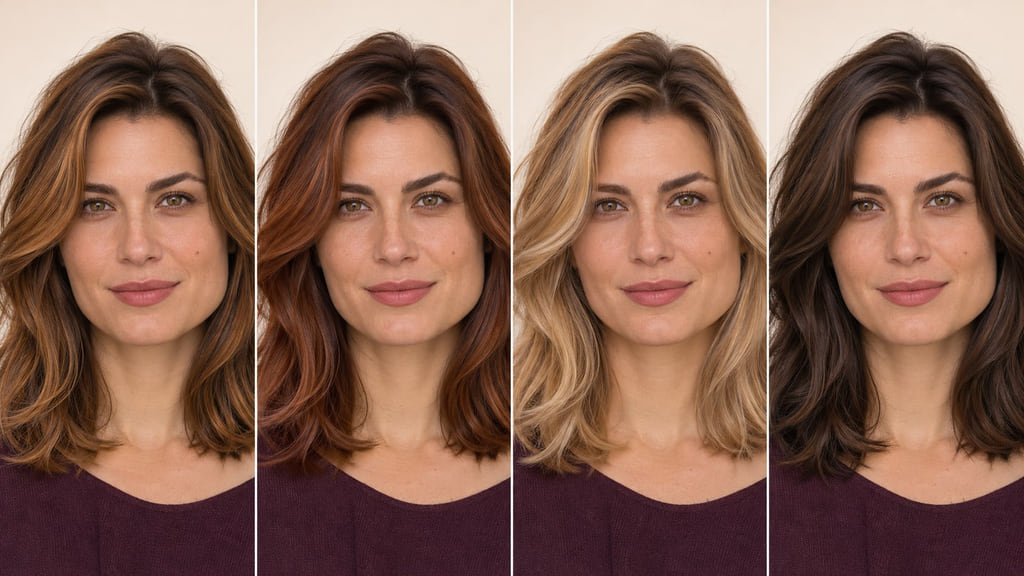
For a practical comparison, call option A caramel brown and option B soft auburn. Keep a brown starting depth and fixed white balance in both references. A shows brown-gold reflection; B shows a quieter red-brown reflection. Point to the part of the hair where you want that difference to appear, then ask what can remain from your current color. Beige blonde and neutral espresso are useful if the larger decision is lighter or deeper overall contrast.
Caramel Brown
Caramel brown keeps a brown base while adding a brown-gold reflection. Compare it with another brown at a similar depth and in the same light; otherwise lightness may distract from the reflection you are trying to assess. If the reference has bright pieces around the face, ask which section would need to change and which part of your existing brown you could keep.
Soft Auburn
Soft auburn shifts the reflection toward restrained red-brown without requiring the example to become lighter. Compare it with caramel brown at the same depth, exposure, and face angle. Ask whether you want that reflection throughout the hair or in a smaller area, and which part of your current shape or color should stay.
Beige Blonde
Beige blonde changes the overall depth more than the two brown examples. Here, the reflection is balanced beige rather than strongly golden. Compare it with another blonde at a similar depth and fixed white balance, then decide whether you want an all-over lighter field or a connection to a deeper natural root. Ask which part of the hair would need to become lighter and which part can remain.
Neutral Espresso
Neutral espresso offers a deep brown field. Look for visible strand separation in the darker areas rather than a single flat block. Compare it with a brown at the same exposure and ask whether the deeper outline creates the contrast you want around your face. If it feels too strong, discuss a smaller depth change instead.
Account for Your Starting Base
Your natural roots, previously colored lengths, and ends may not start at the same depth or reflection. Save a current photograph that shows all three, and note whether you want to preserve your length. A caramel brown reference on a warm-neutral brunette may be closer to your current depth than the beige blonde example, but the photograph alone cannot establish what your own hair can reach. Wella’s color-chart guidance also asks colorists to consider hair history and starting color; its numbering should stay tied to Wella products.
If soft auburn is your preferred reflection but your current hair is much lighter, deeper, or previously colored, bring both the desired reference and a clear photograph of your starting base. Ask what change is realistic while keeping the face-hair contrast you chose. A colorist can help decide the process; this guide does not prescribe a formula. If you are comparing a different eye-color question, see Best Hair Colors for Blue Eyes or Best Hair Colors for Green Eyes to Make Them Pop.
Plan Regrowth and Color Upkeep
Think about the change you are willing to notice in ordinary light. With caramel brown, watch whether the brown-gold reflection and any brighter placement still look like the reference you chose. With soft auburn, notice whether the red-brown reflection remains visible as the color changes. A beige blonde placed near a deeper root may make new growth more obvious; neutral espresso may change the contrast against your natural root as it fades. None of these observations gives everyone the same appointment schedule.
| Direction | Daily check | Regrowth or fading to watch | Salon-support question |
|---|---|---|---|
| Caramel brown | Is the warmth visible where you wanted it? | Brighter pieces changing against a natural brown root | Would you refresh reflection or placement? |
| Soft auburn | Does the red-brown reflection still look restrained? | Reflection becoming quieter against the base | How much visible warmth do you want to maintain? |
| Beige blonde | Does the blonde still read balanced in your usual light? | A deeper root or a changing beige reflection | Where should lightness begin to fit your routine? |
| Neutral espresso | Can you still see detail in the dark areas? | Depth changing against your natural root | Would you keep the same depth next time? |
Choose the level of salon support you actually want before committing to a large depth change or high-contrast placement. If you color at home, follow the exact product’s directions and allergy-test instructions; the FDA’s hair-dye safety guidance explains why product instructions matter.
Build Your Color Reference
Save one unfiltered photo of your current hair in neutral light, including its roots and ends. Add one front or three-quarter view of the direction you prefer and a second view that shows its placement. Try to match the light and exposure across the references so you can identify whether depth, reflection, or placement is driving your choice.
You can say: “I want to compare caramel brown with soft auburn. My reference is warm-neutral brunette layers and naturally hazel eyes. Keep the natural density and show me the difference in depth, reflection, and placement before we choose a service.” That is a request for a visible comparison, not a dye recipe or a promise that your hair will match the photograph.
Choose the closer direction, then discuss both references with a colorist. You can also preview a color direction as an optional visual step. A screen preview cannot predict lift, the color process, or your final result.
Frequently Asked Questions
How do I compare these shades at a similar depth?
Use references with the same light, exposure, and approximate hair outline. Compare the brown-gold reflection of caramel brown with the red-brown reflection of soft auburn before comparing either one with a lighter blonde or deeper espresso. A manufacturer’s depth number can help in its own system, but the visible comparison comes first.
Does my starting color change the achievable result?
Yes. Your natural base and previously colored lengths affect the route to a target shade. Bring a current photo and ask a colorist what can be preserved before treating a caramel brown or soft auburn example as a service request.
Can a virtual preview predict the dye result?
No. It can help you compare a visible color direction, but it cannot establish what your starting hair can achieve. Hazel eyes also vary; neither a preview nor this guide can assign an exact iris fleck or one ideal hair color to every reader.