
Highlights and Lowlights by Skin Tone and Starting Base: A Practical Comparison
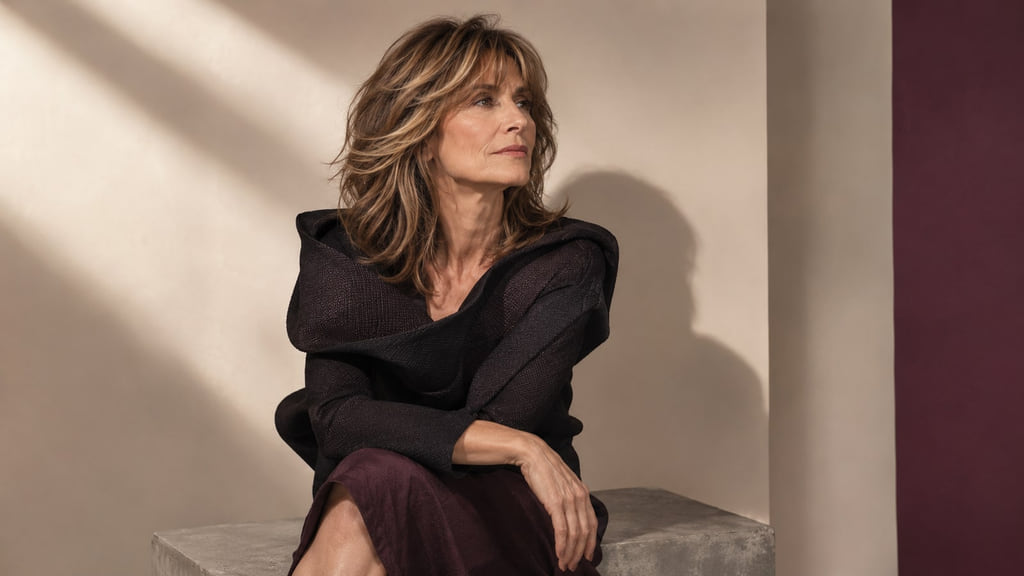
Choose lighter and darker placement relative to your existing base. Compare fine highlights, deeper lowlights, and mixed dimension before settling on a shade. Treat the result as a direction to discuss with a colorist: your starting base and color history affect what is achievable.

On medium-brown layers, narrow lighter strands can add brightness while deeper strands give the eye a darker point of comparison. You can choose either direction or keep both visible around the existing base. Start with what your hair looks like now, then compare placement and reflection in similar light. Skin depth does not prescribe a shade; color history and the location of each section are separate decisions.
Read the Color Direction Before Choosing a Look
Look at the medium-brown base before naming a shade. Depth describes how light or dark a section appears; tone describes its color direction. In Wella’s color chart, the number before the stroke indicates depth and the number after it indicates tone. That notation belongs to Wella’s system, not every brand’s. Use the distinction to compare a narrow beige highlight with a deeper brown piece without assuming that the same shade code will produce either result on your hair.
Fine highlights leave brown intervals between lighter strands. Deeper lowlights put darker strands among lighter lengths. Neither is an automatic choice for a skin-depth category. An undertone guess may help you compare warm, cool, or neutral reflection, but first decide where you want lightness or depth and how much of the existing base should remain visible.
Compare Fine Highlights, Deeper Lowlights, and Mixed Dimension
Compare the three directions on a similar medium-brown starting base. Keep the photo’s exposure and white balance steady. Judge how light or dark the sections look, the reflection within each section, and where those sections sit; changing all three at once makes the comparison less useful.
| Direction | Visible depth | Reflection and placement | Question for your starting base |
|---|---|---|---|
| Fine highlights | Narrow lighter strands sit among the base; darker intervals remain visible. | Compare the lighter reflection near the face and across the surface. | Where would a few lighter sections remain distinct on my current color? |
| Deeper lowlights | Narrow deeper strands sit among lighter lengths; not every strand changes. | Compare their darker reflection through the interior and ends. | Where do my lengths already have depth, and where is it missing? |
| Mixed dimension | Lighter and deeper sections remain visible with the base connecting them. | Compare the balance and position of both directions, not just the brightest piece. | How much existing base should stay visible between sections? |
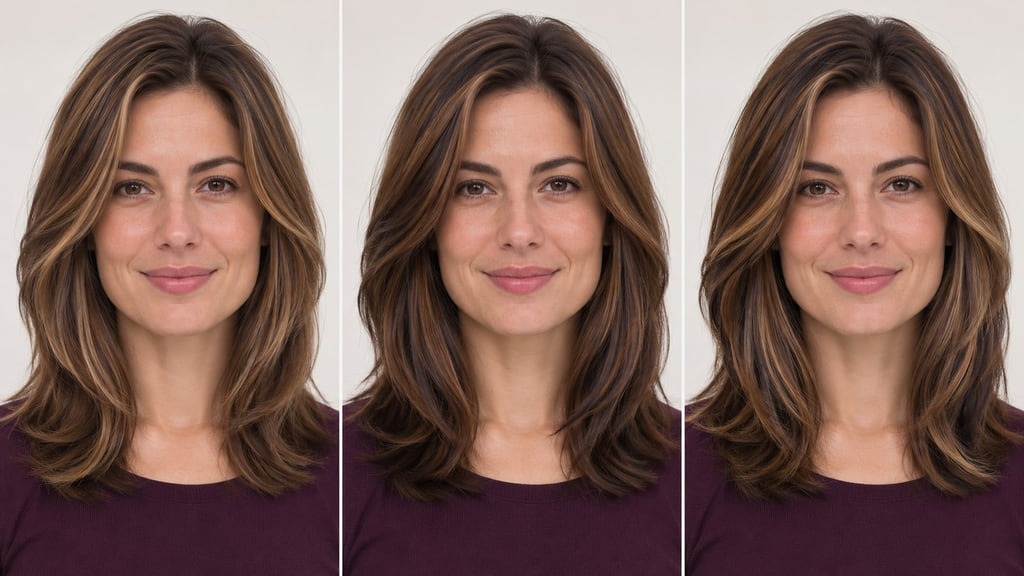
For a first choice, compare A, fine highlights that leave darker brown intervals, with B, deeper lowlights that interrupt lighter lengths. Point to the section that should change and the section you would preserve. A mixed reference is useful when you want both kinds of separation, not a higher-ranked look.
Fine Highlights
In this editorial example, narrow lighter strands sit among the medium-brown layers rather than making the whole surface uniformly light. Compare their width and first visible point while keeping face, exposure, and approximate starting depth alike. If you are judging reflection, compare at similar depth; if you are judging brightness, keep reflection as similar as you can. Ask your colorist which sections could become lighter and which brown intervals should remain.
Deeper Lowlights
Here narrow deeper strands add a darker reference among lighter lengths. They are a separate placement decision from making every strand darker. Compare how much depth is visible near the root and through the ends under the same light. Ask which sections could gain depth while the lighter pieces you enjoy stay visible.
Mixed Dimension
The third direction keeps lighter and deeper sections visible, joined by medium-brown base hair. Compare the spacing: dense light pieces, a few deep pieces, and retained brown can read differently from a more even mix. Hold the cut, face, and exposure steady while marking where you want each direction. Ask how much of your current color can remain between the new sections.
Account for Your Starting Base
Photograph your natural roots, mids, and ends in neutral light. Note earlier color and lightening, the length you want to keep, and how much change you are seeking. A medium-brown reference cannot show what is underneath its finished color. Wella’s explanation of starting point and hair history gives a colorist a reason to assess previous processes and underlying pigment before selecting a route. Its depth and tone language can describe your goal, but the chart cannot promise that your hair will match a photograph.
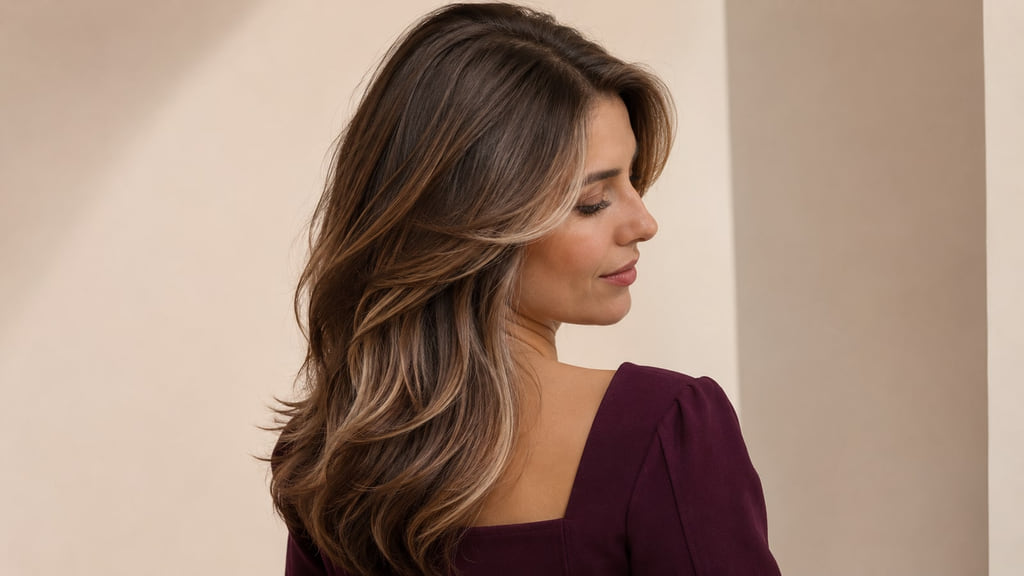
If you already have lightened lengths, deeper lowlights may be a more relevant comparison than adding brightness everywhere. If your current hair is dark or previously colored, ask how a fine-highlight reference would change on that base. Keep the goal—lighter or darker placement relative to what is there—while the colorist assesses the service. For a technique comparison, use Balayage vs. Highlights; for a separate painted-placement decision, see Balayage by Skin Tone, Starting Base, and Contrast or Brunette Balayage Ideas by Undertone and Starting Depth.
Plan Regrowth and Color Upkeep
Watch the root boundary and the reflection through the lengths separately. With fine highlights, notice when the lighter strands no longer begin where you want them or their reflection shifts. With deeper lowlights, notice whether the darker pieces still separate the lighter lengths. Mixed dimension asks you to watch both. The point to revisit color depends on what you notice and what you want to maintain, not one fixed appointment interval.
| Direction | Daily routine check | Root or fade signal | Salon support to discuss |
|---|---|---|---|
| Fine highlights | Do narrow light strands still show in your usual part and styling? | New growth changes their starting point; lighter reflection may shift. | Which light pieces would you want refreshed? |
| Deeper lowlights | Are deeper strands still distinct among the lighter lengths? | Deposited depth may look different as the color changes. | Where would renewed depth matter most? |
| Mixed dimension | Does the intended balance of light, deep, and retained base remain visible? | Root contrast and the two reflections may change differently. | Would you adjust placement, tone, or both? |
Choose the direction whose visible changes you are willing to monitor. Bring a current photo when the difference matters to you; it makes the follow-up question more precise than an invented maintenance schedule.
Build Your Color Reference
Save one neutral-light photo of your current roots and lengths. Add a reference showing the full hair outline, then a second angle that reveals where the lighter or darker sections start. Use similar light for the photos, and mark the sections you want to change and keep.
You can bring this salon brief: “I want to compare fine highlights with deeper lowlights. My reference is medium-brown layers with narrow lighter and deeper sections. Keep the natural density and show me the difference in depth, reflection, and placement before we choose a service. Here is my current color and what I have done to it before.” This describes a visible goal, not a color formula or a guaranteed result.
Choose a lighter, deeper, or mixed direction and discuss your marked reference with a colorist. Bring your current-hair photo alongside the marked reference so you can compare the goal with the actual starting base.
Frequently Asked Questions
How do I compare these shades at a similar depth?
Start with photos in similar neutral light. Compare how light or dark the hair appears, then its warm, cool, or neutral reflection and where each section begins. Wella’s chart separates depth and tone in its own numbering system; use that distinction as vocabulary, not a universal shade code.
Does my starting color change the achievable result?
Yes. Fine highlights on natural medium-brown hair and deeper lowlights among already-lightened lengths begin with different material. Show your roots, lengths, and color history to the colorist. The reference tells them which visible difference you want, while the starting base informs the route.
Does skin depth determine where highlights or lowlights should go?
No. Skin depth does not assign a placement pattern. Compare lighter and deeper sections against your existing base, then decide which areas you want to change or keep. Your color history is a separate input for the colorist’s assessment.