
Hair Colors for Cool Skin Tones: Depth, Reflection, and Choice
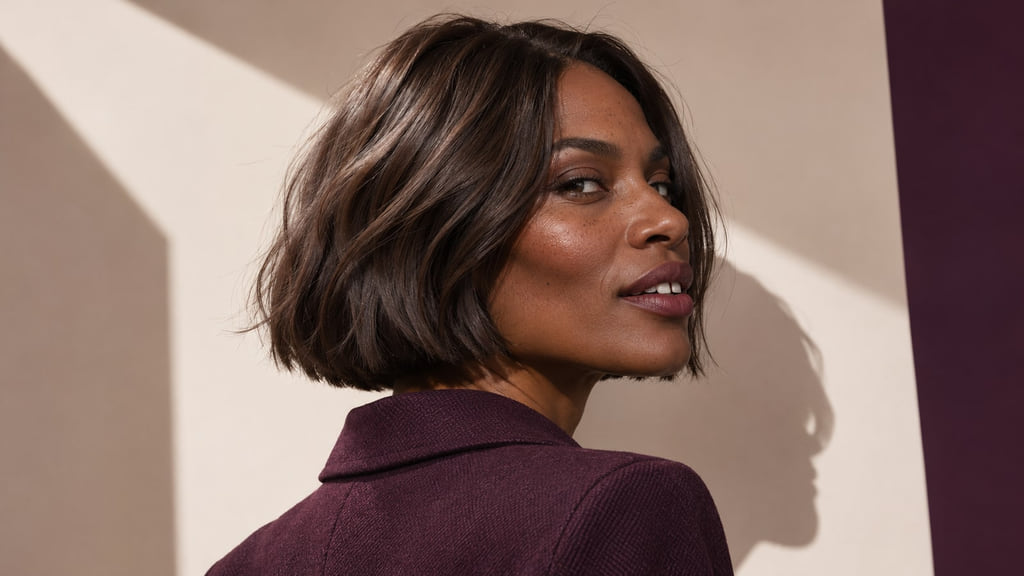
Compare neutral-to-cool reflections at a suitable depth before committing to an ash-heavy result. Beige blonde, cool chocolate, and soft red-violet offer different visible directions. Use them as references to discuss with a colorist; your starting base and color history affect what is achievable.

Start with the depth you want to keep or change, then compare the reflection you see in the same light. A cool chocolate bob, for example, can show a restrained cooler direction without making every strand look gray. Beige blonde changes the overall lightness; soft red-violet changes the visible color direction. Those are distinct choices, not a ranking of who can wear them.
Read the Color Direction Before Choosing a Look
Depth is how light or dark the hair appears; tone names its color direction. In Wella’s color chart, the number before the stroke indicates depth and the number after it indicates tone. That is Wella’s numbering system, not a universal code across brands. Use a photograph and ordinary language alongside any shade number.
A cool undertone is a styling hypothesis, not an instruction to choose the ashiest hair possible. Surface redness can change how skin looks in a photograph without settling the undertone question. Hold lighting and camera white balance steady when you compare beige blonde with cool chocolate, and decide whether the difference you prefer comes from lightness, reflection, or both. The visible result is a reference for discussion, not a diagnosis.
Compare Beige Blonde, Cool Chocolate, and Soft Red-Violet
These are editorial examples. Compare photographs at consistent exposure and white balance; when judging reflection, keep hair depth similar where possible. The blonde option deliberately changes depth, so notice that separate difference instead of calling it a tonal effect.
| Direction | Depth and reflection | Placement to discuss | What to hold steady |
|---|---|---|---|
| Beige blonde | Lighter blonde depth with a balanced beige reflection. | Whether brightness begins at the roots, around the face, or through the lengths. | Compare beige with another blonde at similar depth before judging reflection. |
| Cool chocolate | Medium-to-deep brown base with a restrained cool reflection and visible dark-hair detail. | Where lighter or deeper sections preserve dimension within the brunette. | Compare with another brown at similar depth and the same white balance. |
| Soft red-violet | A visible but restrained red-violet reflection rather than a simple change in lightness. | Whether that reflection appears throughout or in selected sections. | Hold depth and exposure steady when comparing saturation. |
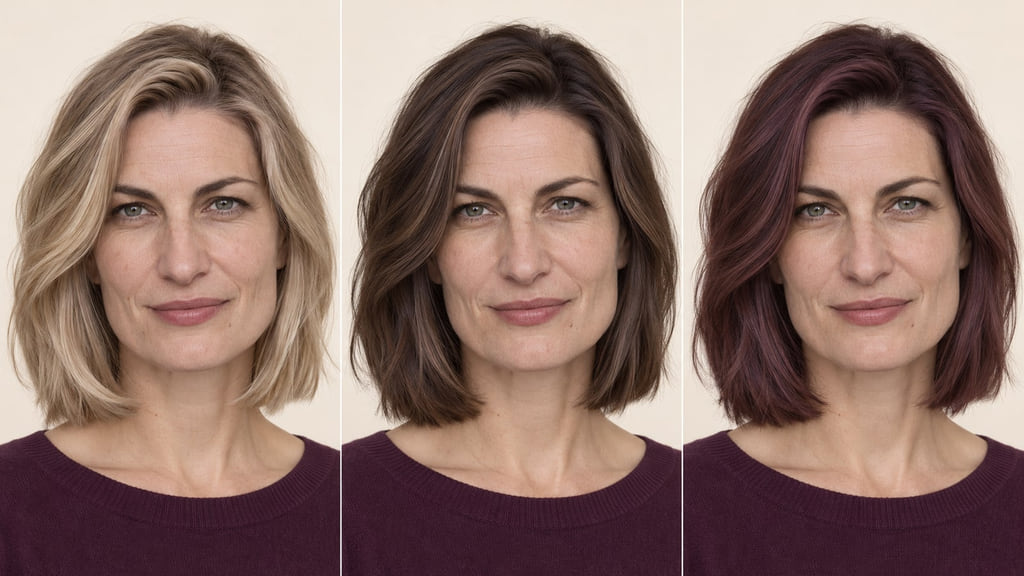
For a filled choice, set option A as beige blonde and option B as cool chocolate. A brings a lighter overall depth and balanced beige reflection. B retains a medium-to-deep brown base with dark detail. If B is closer to your present color, ask whether you want a change in reflection only or a change in placement too; if A is the goal, discuss what your starting base can realistically support.
Beige Blonde
This example uses a lighter blonde depth with a balanced beige reflection. Compare it with another blonde reference under the same light before deciding whether the beige tone, rather than the lighter depth, is what you prefer. Keep the face, exposure, and cut consistent in the comparison. Ask which part of your current color should change and which part should stay.
Cool Chocolate
Here the brown stays medium to deep, while the reflection looks cooler without turning the bob into a flat dark block. Compare it with a brown of similar depth in the same light. Notice whether the open hair outline and natural strand variation still read clearly. Ask where, if anywhere, the colorist would place lighter or deeper sections.
Soft Red-Violet
This option has a restrained red-violet reflection with visible red, not just extra brightness. Compare it with a brown or violet reference at similar depth to judge the reflection itself. Ask whether you want that color throughout the hair or in selected areas, and how much visible saturation you would enjoy between appointments.
Account for Your Starting Base
Show your natural root, previously colored lengths, and ends separately. A beige blonde reference may involve a larger change in depth than a cool chocolate reference, while previous color can make either route different from what a photograph suggests. Wella’s guide to color charts considers hair history and starting pigment when planning a color result. A chart number or on-screen image cannot tell you the service your hair needs.
If your current hair is dark and you prefer the lighter beige example, ask a colorist which parts of that reference are achievable from your base and color history. If cool chocolate is closer to your current depth, ask whether a restrained reflection or a change in highlights and lowlights would better express the goal. Keep the desired visible effect clear while leaving the method to the consultation. For a broader undertone comparison, see Hair Color by Skin Tone; separate guides cover fair and pale skin and medium skin tones.
Plan Regrowth and Color Upkeep
With beige blonde, look for a root boundary becoming more visible or the beige reflection changing from the reference you saved. With cool chocolate, watch whether the brown still shows the dimension you wanted and whether its reflection has shifted in your usual light. Neither observation sets a universal appointment interval; your starting color, placement, and tolerance for change matter.
| Direction | Daily check | Change you may notice | Salon support to discuss |
|---|---|---|---|
| Beige blonde | Check brightness and reflection in neutral light. | More visible root contrast or a changed beige reflection. | How to maintain your preferred brightness and placement. |
| Cool chocolate | Notice whether the brown still has visible strand detail. | Root and length colors separate, or the cooler reflection softens. | Whether to adjust reflection or redistribute dimension. |
| Soft red-violet | Compare the current reflection with your saved reference. | The red-violet reads less clearly or differently saturated. | How much color change you accept between visits. |
Choose the level of visible change you are comfortable with and share that preference before committing to a service. A subtle shift in reflection and a strong change in depth can call for different maintenance plans.
Build Your Color Reference
Save one unfiltered photo of your current hair in neutral light that shows roots and ends. Add a front or three-quarter image of your preferred shade and a side or back view showing where the color sits through the cut. Keep the face and exposure as comparable as possible. Mark the depth, reflection, and placement you want to discuss, rather than relying on a shade name alone.
You can say: “I want to compare beige blonde with cool chocolate. My reference is a cool chocolate bob with open dark-hair detail. Keep the natural density and show me the difference in depth, reflection, and placement before we choose a service.” This is a visual brief, not a formula or a promise of the same result on different hair.
Choose the neutral-to-cool direction you prefer at a depth you can discuss from your starting base, then bring those references to a colorist. You can also preview a color direction on screen. A virtual preview cannot predict the dye result or diagnose your undertone.
Frequently Asked Questions
How do I compare these shades at a similar depth?
Use images with similar exposure and white balance. To compare tone alone, choose references at similar hair depth, then look at their beige, brown, or red-violet reflection. Wella’s chart separates depth and tone within its own numbering system; the visual comparison still needs consistent light.
Does my starting color change the achievable result?
Yes. Beige blonde and cool chocolate begin at different target depths in these examples, and your natural base and color history affect the route to either. Show a colorist your roots and lengths, explain previous services, and ask what is achievable on your hair.
Can a virtual preview predict the dye result?
No. It can help you compare visible directions on screen, but it cannot predict a chemical result. Surface redness does not settle an undertone hypothesis, and a cool hypothesis does not require ash hair. Treat the preview as a reference for a conversation about your real starting base.