
Cool Summer Hair Colors (True Summer): A Practical Comparison
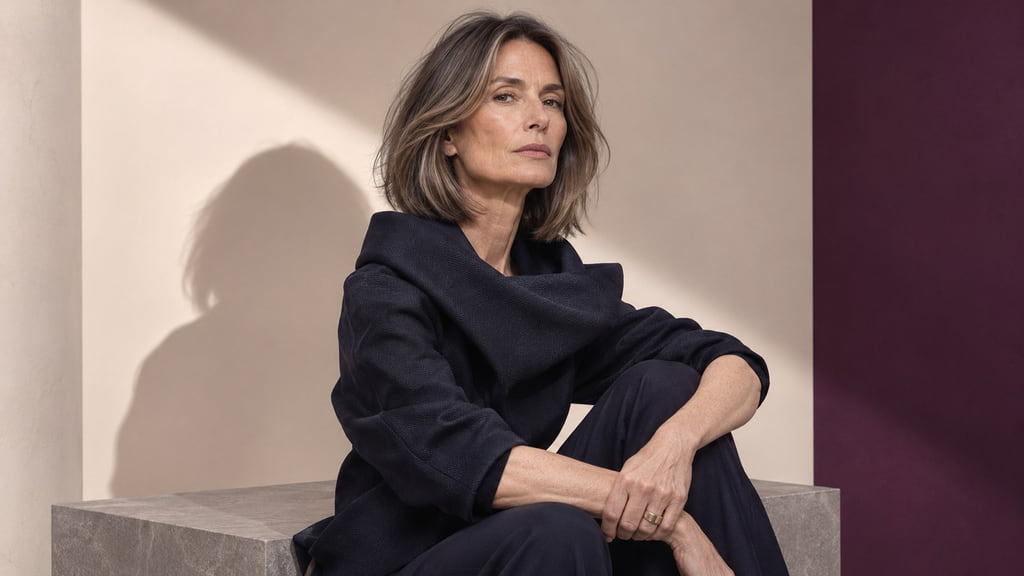
Compare cool muted brunette and blonde directions without turning the palette into a dye formula. Cool beige blonde, ash brown, and soft espresso offer three different starting points. Treat the result as a direction to discuss with a colorist: your starting base and color history affect what is achievable.

Read the Color Direction Before Choosing a Look
If you want a muted, cool result, begin with the visible effect rather than a shade number. A neutral-cool ash brown lob with soft dimension, for example, keeps the outline readable while small changes in reflection add movement. You could make the same comparison with a lighter blonde direction. The point is to decide what you want to see in the hair, then ask a colorist what your starting base can support.
In The Concept Wardrobe’s twelve-season framework, True Summer is described as cool and muted. That framework gives you vocabulary for a color direction, not a diagnosis or a rule that you must dye your hair. Soft Summer places more weight on softness; Cool Winter allows a clearer, stronger contrast. Keep those neighboring palettes as comparisons rather than importing every rule into this choice.
Cool beige blonde and ash brown are different decisions even when both look restrained. Blonde changes the overall depth more; ash brown keeps a brown base and shifts the visible reflection. Depth means how light or dark hair appears. Reflection is the tone you see within that depth. To judge one variable, compare references with similar lighting and camera settings. A warm or cool camera cast can make a useful shade look unlike itself.
Compare Cool Beige Blonde, Ash Brown, and Soft Espresso
Use these three directions to decide which visible qualities you want to keep or change. Wella’s hair color chart separates depth from tone in its own numbering system. Other brands may use different labels and codes, so use the visible qualities below before discussing a formula.
| Direction | Depth and reflection | Placement to compare | Useful question |
|---|---|---|---|
| Cool beige blonde | Lighter blonde depth with a balanced, neutral-cool beige reflection | All-over brightness or lighter pieces connected to a natural root | How much change from your current base would this require? |
| Ash brown | Brown base with a subdued cool ash reflection | Soft dimension through the lengths or a quieter, more even result | Which part of the brown base do you want to keep? |
| Soft espresso | Deep brown with restrained saturation and visible strand detail | A continuous deep field or subtle separation around the face | Will the darker depth give the contrast you want? |
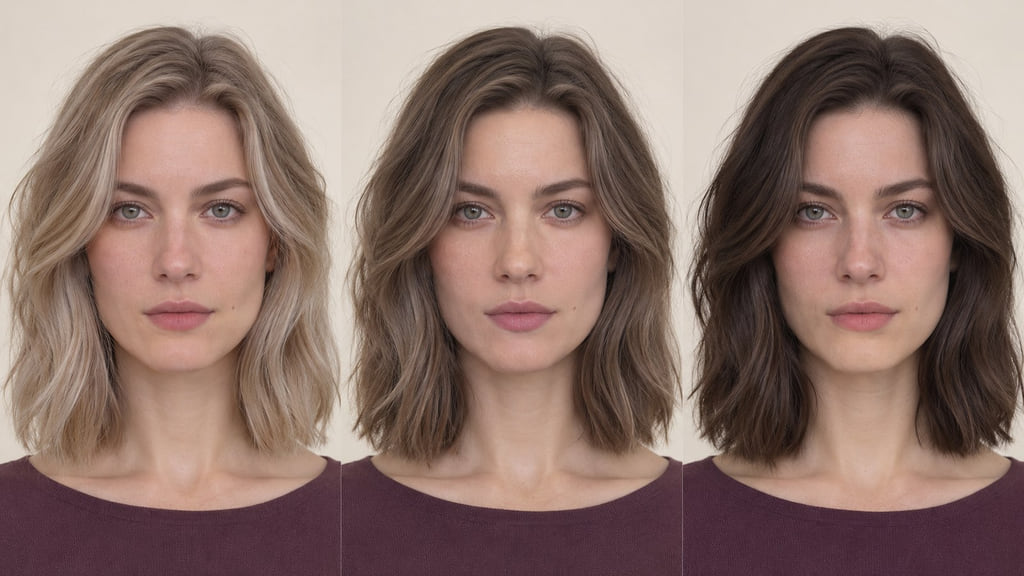
For a first pass, compare option A, cool beige blonde, with option B, ash brown. Keep the face, exposure, and approximate hair outline consistent in your references. Ask whether you want the lighter overall depth of A or the brown base and softer ash reflection of B. Then compare where the lighter or deeper sections sit. Soft espresso is a useful third reference if you want a darker field without losing visible strand separation.
Cool Beige Blonde
In this example, beige is balanced rather than overtly golden, and the blonde reads lighter than the brunette options. If two photos show similar blonde depth, compare their reflection under neutral light: one may lean warmer even when both are called “beige.” If you like your natural root, save a reference that shows the transition as well as the finished lengths. Ask the colorist which section should become lighter and which part of your current color should remain.
Ash Brown
Ash brown keeps a brown base and gives its visible reflection a subdued, cool direction. A lob with soft dimension can show the shift through small differences across the strands instead of a bright face frame. Compare it with cool beige blonde at a similar exposure; otherwise the lighter photograph may seem more appealing simply because it is brighter. Ask whether the change you want is in depth, reflection, placement, or a combination.
Soft Espresso
Soft espresso is the deepest of the three options. It is a restrained deep brown with enough variation to keep individual strands readable. Compare it with ash brown at the same camera angle and white balance. If the deeper field creates more contrast than you want, keep the ash brown reference and discuss a smaller depth change instead.
Account for Your Starting Base
Before choosing between blonde and brunette, look at your natural roots, colored lengths, and ends separately. Previous color can leave a different reflection in the lengths than at the root. The amount of hair you want to keep and the amount of change you can accept also matter. A cool beige blonde photograph may describe your target, but it cannot establish what your own base can reach or how the color will appear after a service.
For a lighter starting base, bring a cool beige blonde reference and point out whether you want overall lightness or only selected brighter pieces. For a deeper or previously colored base, ask the colorist to compare that goal with an ash brown direction before choosing a service. If your current hair already sits near ash brown, you may want only a change in reflection or placement. Wella’s chart can help explain its depth and tone terms, but its numbers are not a universal prescription.
The wider Summer family, a lighter Summer direction, and a softer Summer direction are separate comparisons. Keep this reference focused on brunette versus blonde rather than trying to decide every neighboring palette at once.
Plan Regrowth and Color Upkeep
Think about what you are willing to notice and maintain, not a fixed appointment interval. A lighter cool beige blonde may make the difference between new roots and colored lengths more visible, especially if the brightness starts close to the scalp. A root-connected placement may make that transition less abrupt. With ash brown, watch whether the cool reflection remains distinct from your natural base as the color changes. Soft espresso may ask you to decide whether you still like the depth as it fades.
| Direction | Daily observation | Regrowth or fading to watch | Salon conversation |
|---|---|---|---|
| Cool beige blonde | Does the lightness still read balanced in ordinary light? | A visible root line or a warmer-looking reflection | Where should brightness begin, and what upkeep fits your routine? |
| Ash brown | Does the brown base still show the soft dimension you wanted? | Reflection shifting while the overall depth stays similar | Would you refresh the tone, placement, or neither? |
| Soft espresso | Can you still see strand detail in the deeper areas? | A changed depth or contrast against your natural root | How much deep color do you want to keep as it grows? |
Save a current photo in daylight when you like the effect, and another when you feel ready to change it. Those two images give a colorist more useful evidence than a universal schedule. If you color at home, follow the directions and skin-test instructions for the exact product; the FDA’s hair dye guidance explains why product instructions matter.
Build Your Color Reference
Bring one photograph of your current hair in neutral light, one front or three-quarter view of the direction you prefer, and one view showing the roots and ends. Avoid choosing between two references with different filters or dramatic lighting. Circle the part you want to keep, such as your natural root depth or a soft transition through the lob, and name the one change you want to test.
You can say: “I want to compare cool beige blonde with ash brown. My reference is a neutral-cool ash brown lob with soft dimension. Keep my natural density and show me the difference in depth, reflection, and placement before we choose a service.” This gives the colorist a concrete comparison without prescribing a dye formula or implying that the photograph predicts your result.
Choose the closer direction and take both references to the consultation. You can also preview a color direction as a visual next step, but a screen preview cannot determine your starting-base limits or predict a chemical result.
Frequently Asked Questions
Is this a diagnosis or a styling framework?
It is a styling framework. The Concept Wardrobe uses True Summer for a cool, muted direction within its twelve-season model. You can borrow that vocabulary to compare hair-color references without treating a photograph, one facial feature, or a palette label as a diagnosis.
Do I need to dye my hair to fit a palette?
No. Your natural hair can be your reference. If you are considering a change, compare cool beige blonde with ash brown only because you want to explore those visible effects. A palette does not require a service or overrule your preference for your current color.
How can I compare depth and reflection?
Use similar lighting and white balance. First compare how light or dark each sample appears; then compare its beige, ash, or deep brown reflection at a similar depth. If both depth and lighting change, you cannot tell which difference is driving your reaction. Bring the two closest references to a colorist and discuss the starting base.