
Hair Colors for Pink or Red Undertones: Depth, Reflection, and Choice
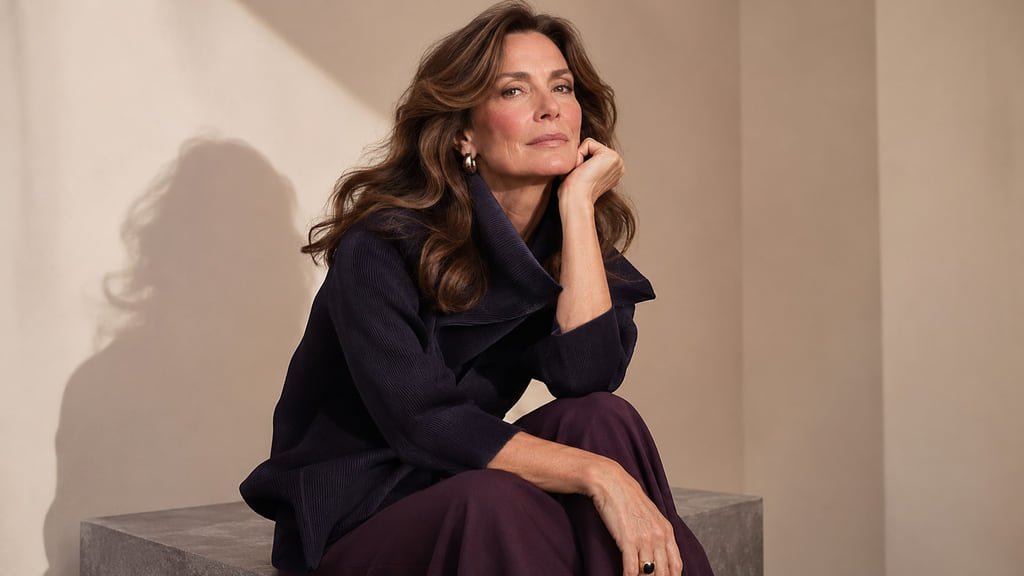
Separate visible surface redness from an undertone assumption before comparing hair. Compare neutral brunette, soft beige, muted warm brown, and deeper contrast as visual directions to discuss with a colorist. Your starting base and color history affect what is achievable.

Read the Color Direction Before Choosing a Look
If your cheeks look flushed beside neutral medium-brown waves, compare the hair at a similar depth before deciding that the visible pink is your undertone. The same surface redness can look different as the hair’s depth or reflection changes. Keep the light, camera exposure, and skin appearance consistent so you can identify which change you actually prefer.
Depth describes how light or dark the hair is; reflection is the visible color direction. In Wella’s hair color chart, the number before the stroke indicates depth and the number after it indicates tone. That is a way to name the two variables within Wella’s system, not a universal code across brands. A neutral brunette keeps a brown frame and changes its reflection subtly; soft beige makes a lighter-looking, restrained reflection the focus. Neither is a ranking of how you should look.
Visible redness alone cannot establish an undertone, and hair color cannot diagnose persistent redness. This is a styling comparison, not a reason to prescribe ash to everyone with flushed skin. If redness persists or concerns you, address it separately from the hair decision.
Compare Neutral Brunette, Soft Beige, and Muted Warm Brown
Compare the four directions below with a similar starting depth. Change reflection while apparent depth stays close, or compare depth while the light and face stay the same. The starting base remains part of the decision.
| Direction | Visible choice | Hold steady | Ask your colorist |
|---|---|---|---|
| Neutral brunette | A brown base with restrained reflection | Similar depth and fixed white balance | Which reflection can my current brown base show? |
| Soft beige | A balanced beige reflection, without simply making all the hair lighter | Skin exposure and a readable starting base | What would need to change to show this beige? |
| Muted warm brown | A brown base with quiet warmth rather than vivid copper | Depth and saturation in the reference | How warm could this look on my hair? |
| Deeper contrast | A visibly deeper hair frame beside the face | Skin exposure and inner hair dimension | Where should the deeper frame begin? |
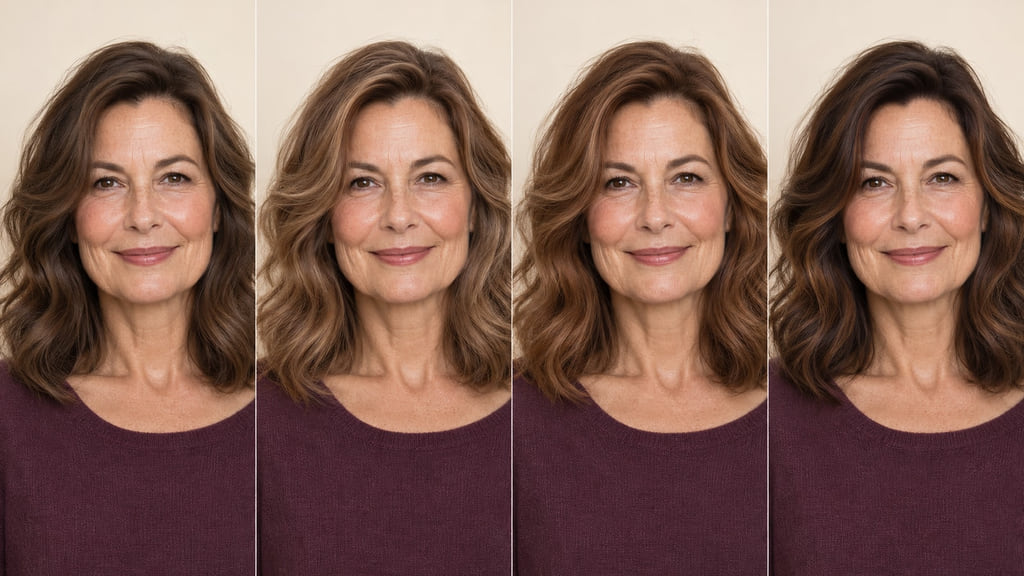
Start with neutral brunette and soft beige if those are your closest choices. The first keeps a brown frame; the second brings a quieter beige reflection into view. Ask which difference you notice at a comparable apparent depth, rather than treating one image as a guaranteed result.
Neutral Brunette
Look for a brown base whose reflection does not pull strongly red, gold, or ash. In a reference, keep the face, exposure, and depth close while comparing the reflection. If you already like your overall brown depth, ask which sections could change tone and which should remain as they are.
Soft Beige
Look for a balanced beige reflection with restrained saturation, rather than assuming lighter hair is the goal. Compare it with neutral brunette under the same light; check whether you prefer the reflection or the change in apparent depth. Ask what your current base would need to show the beige direction.
Muted Warm Brown
Keep the brown base visible and make warmth a subtle change, rather than switching to a vivid copper reference. Compare its reflection at a similar depth to neutral brunette. Ask where warmth would sit closest to your face and whether you want it throughout the lengths.
Deeper Contrast
A deeper brown frame can make the hair outline more distinct beside the face while retaining dimension inside it. That is a chosen visual effect, not a rule that dark hair flatters all flushed skin. Keep the skin exposure fixed as you compare; ask where the darker frame should begin and what lighter variation to retain.
Account for Your Starting Base
Your natural root, previous color, and the length you want to keep all affect the route to a reference. A neutral brunette image on untreated medium-brown hair is a different starting point from the same image beside previously lightened or dyed lengths. Show your color history and ask which part of your current color could stay. The hair color by skin tone guide covers the broader undertone question; fair skin and medium skin tones have their own comparisons.
If soft beige is your preferred direction, describe the visible reflection even if your current hair does not match the photograph. Ask whether the root, face frame, or lengths would require the main change. Wella’s chart can help you distinguish depth from tone, while your colorist must assess the actual starting hair and the products used.
Plan Regrowth and Color Upkeep
Check a neutral brunette reference after your usual wash and styling routine: is its reflection still the one you want, and does the root meet the lengths as you expected? With soft beige, watch whether the beige reflection or the boundary around brighter sections changes first. Use those visible changes to discuss an update; there is no single appointment interval for every base and service.
| Direction | Everyday check | Change to watch | Salon-support question |
|---|---|---|---|
| Neutral brunette | Does the brown still show the reflection you chose? | Root-to-length difference or shifting tone | Would you adjust tone or depth? |
| Soft beige | Does the beige still read softly in your usual light? | Reflection or brighter placement becoming more distinct | Which part would need refreshing? |
| Muted warm brown | Is the warmth still as restrained as you prefer? | Warm sections becoming quieter or more noticeable | Could warmth be adjusted without changing depth? |
| Deeper contrast | Is the dark face frame still defined? | Root boundary or loss of inner dimension | Which lighter areas should remain? |
Build Your Color Reference
Save a front-view photograph in even, neutral light and another showing the roots and lengths. Keep the face, exposure, and haircut comparable between options. You can bring this salon brief: “I want to compare neutral brunette with soft beige. My reference is neutral medium-brown waves beside naturally flushed skin. Keep the natural density and show me the difference in depth, reflection, and placement before we choose a service.” Add your current color history and the amount of upkeep you are comfortable with.
Choose the direction you want to discuss, then bring both references to a colorist. You can also preview a color direction as an optional visual step. A screen preview cannot predict the dye result or diagnose the cause of redness.
Frequently Asked Questions
How do I compare these shades at a similar depth?
Use photos with similar neutral light, exposure, and apparent hair lightness; then compare the reflection. Wella’s chart separates depth and tone in its own shade numbering, but that numbering is not a universal code for other brands.
Does my starting color change the achievable result?
Yes. Neutral brunette on an existing brown base and soft beige on previously colored hair present different starting points. Bring your color history and ask what can be preserved or changed before choosing a service.
Can a virtual preview predict the dye result?
No. Use it to compare visible directions, then ask a colorist about your starting hair. It also cannot determine an undertone from surface redness or explain persistent redness; keep that concern separate from styling advice.